
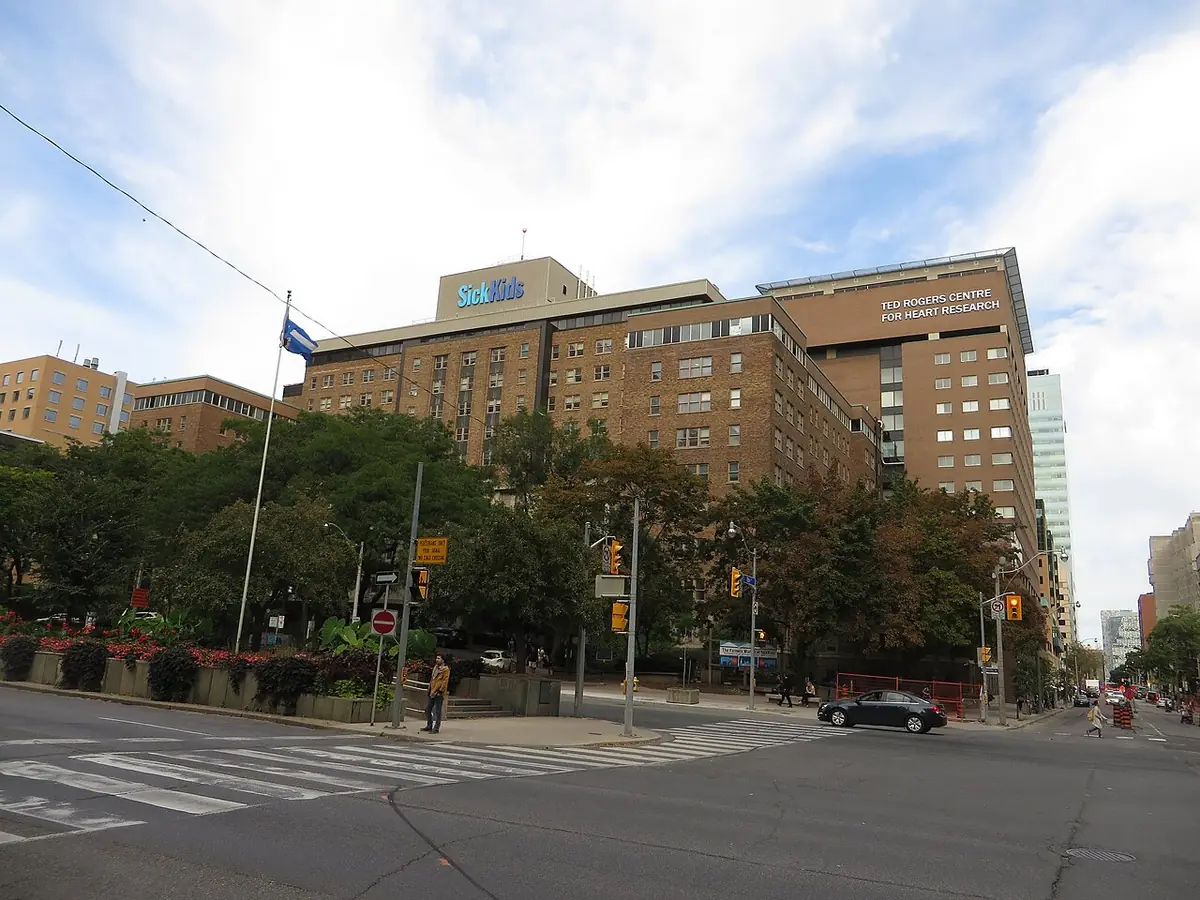
According to Health Canada, a health card is proof that you're registered in your province's health plan. You show it at hospitals and clinics for non-emergency services.
How to apply
- Apply to the government of the province or territory where you live.
- Contact the province to update your address or replace a lost card.
- According to IRCC, identity documents (passport, PR documents, birth certificate...) are needed to get a health card.
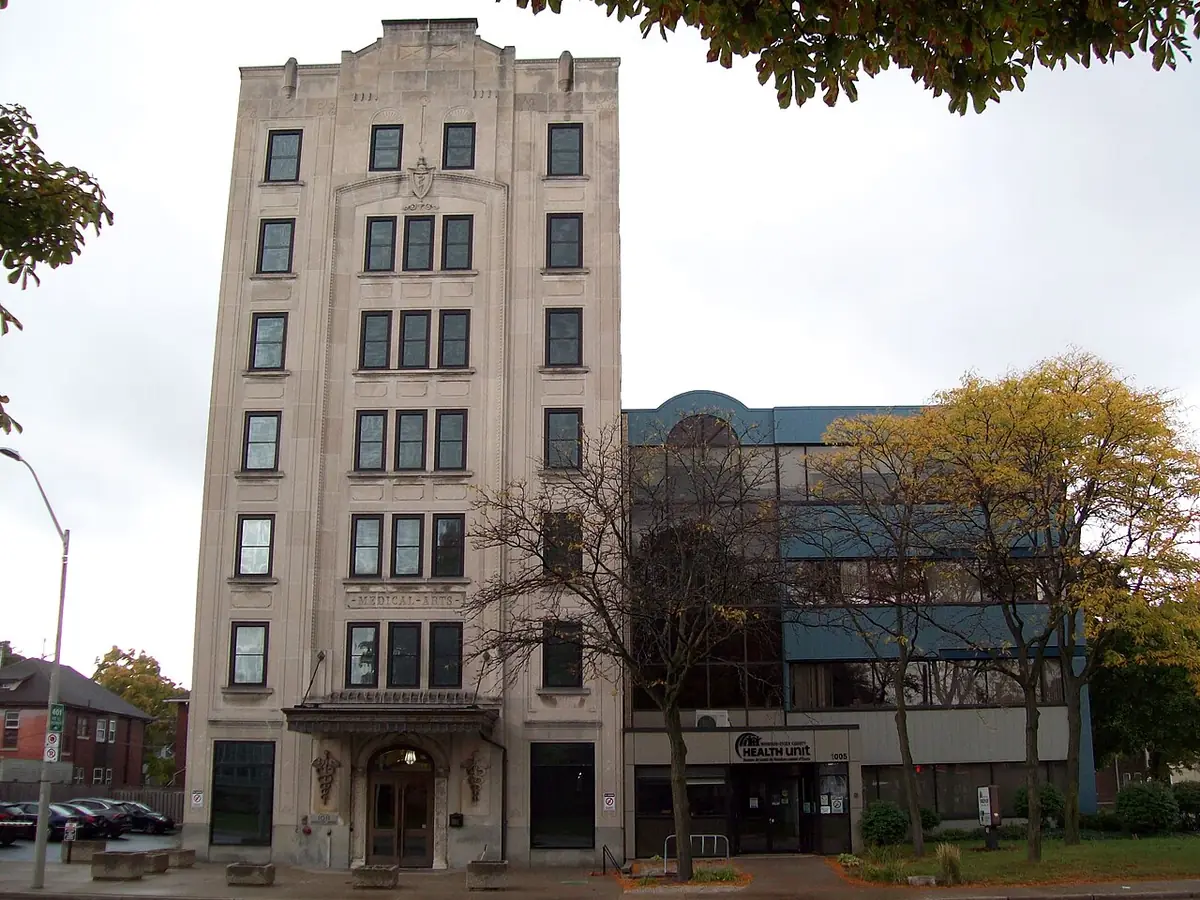
Examples by province (checked October 19, 2026)
| Province | Key information |
|---|---|
| Ontario (OHIP) | No waiting period: eligible people are covered immediately. Includes permanent residents, some PR applicants and work permit holders working full-time for an Ontario employer for at least 6 months |
| British Columbia (MSP) | All residents must enrol. Newcomers to Canada should apply right away; coverage may start 3 months after arrival, so get private insurance meanwhile |
| Alberta (AHCIP) | You must intend to make Alberta your home and be present at least 183 days in 12 months; a waiting period may apply; separate rules for temporary residents |
| Manitoba | Cards are issued to Manitoba residents; the target processing time is about 2 weeks |
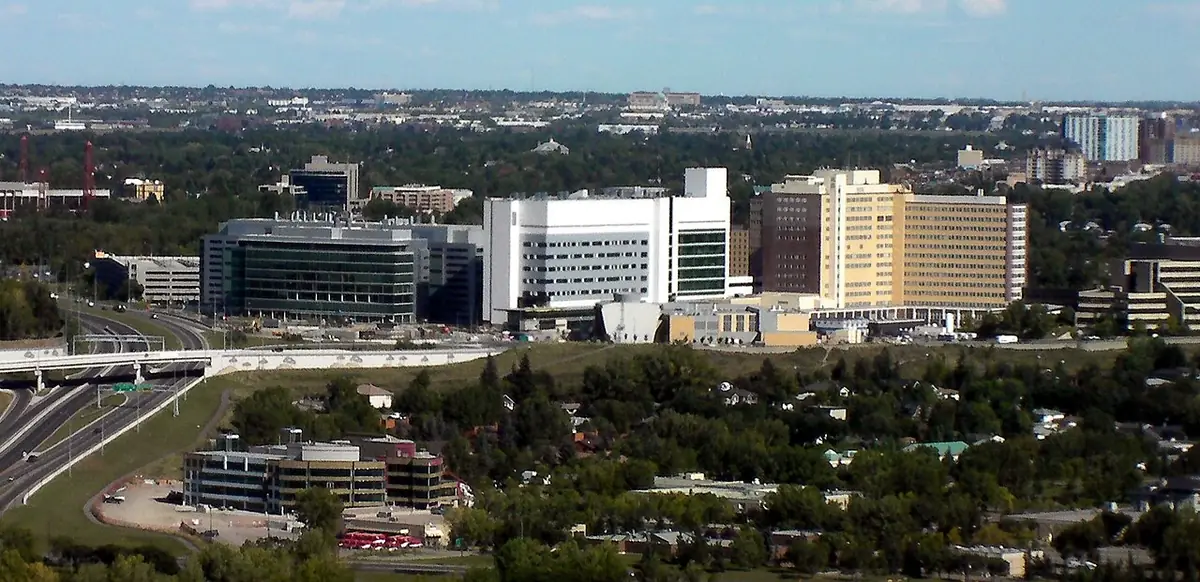
Notes
- A health card only works in the issuing province; when you move, you must re-register and may face a waiting period.
- Always bring your card to appointments.
- Never let anyone else use your card.
Note Rules for temporary residents (work or study permits) vary a lot between provinces. Check the provincial health ministry's site as soon as you arrive.

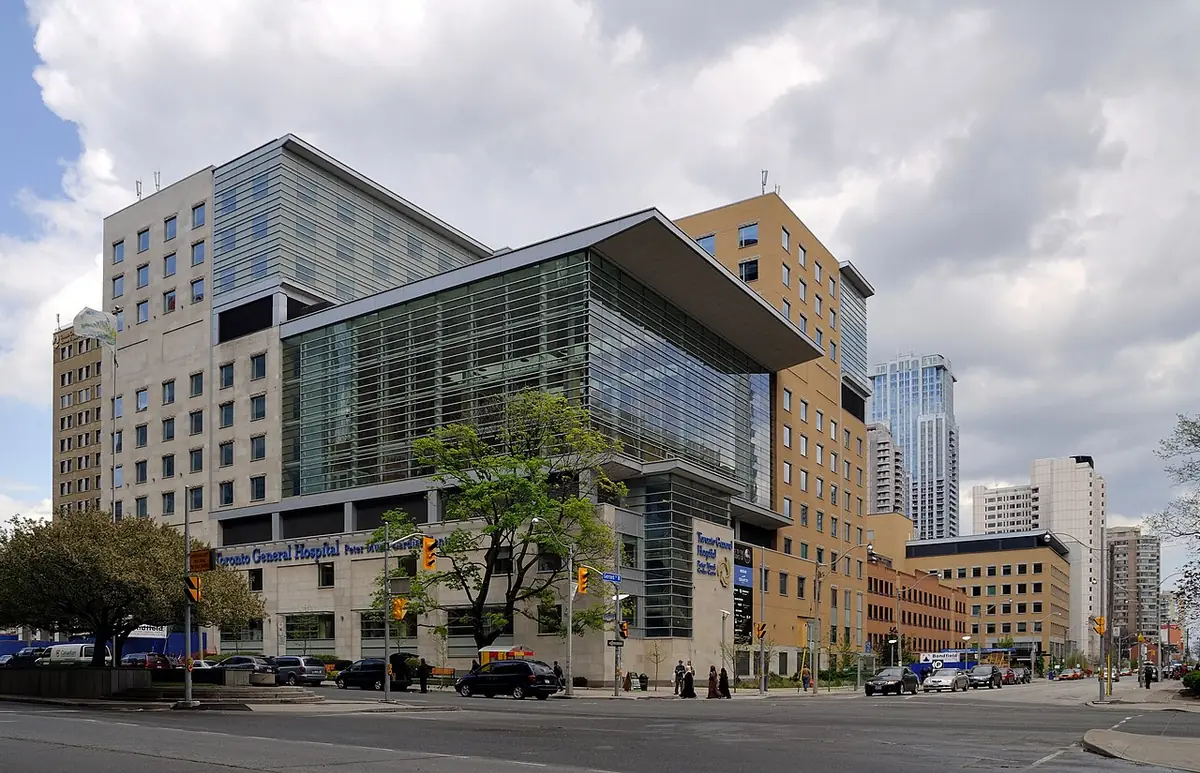 Canada's health care system
 Private health insurance
