
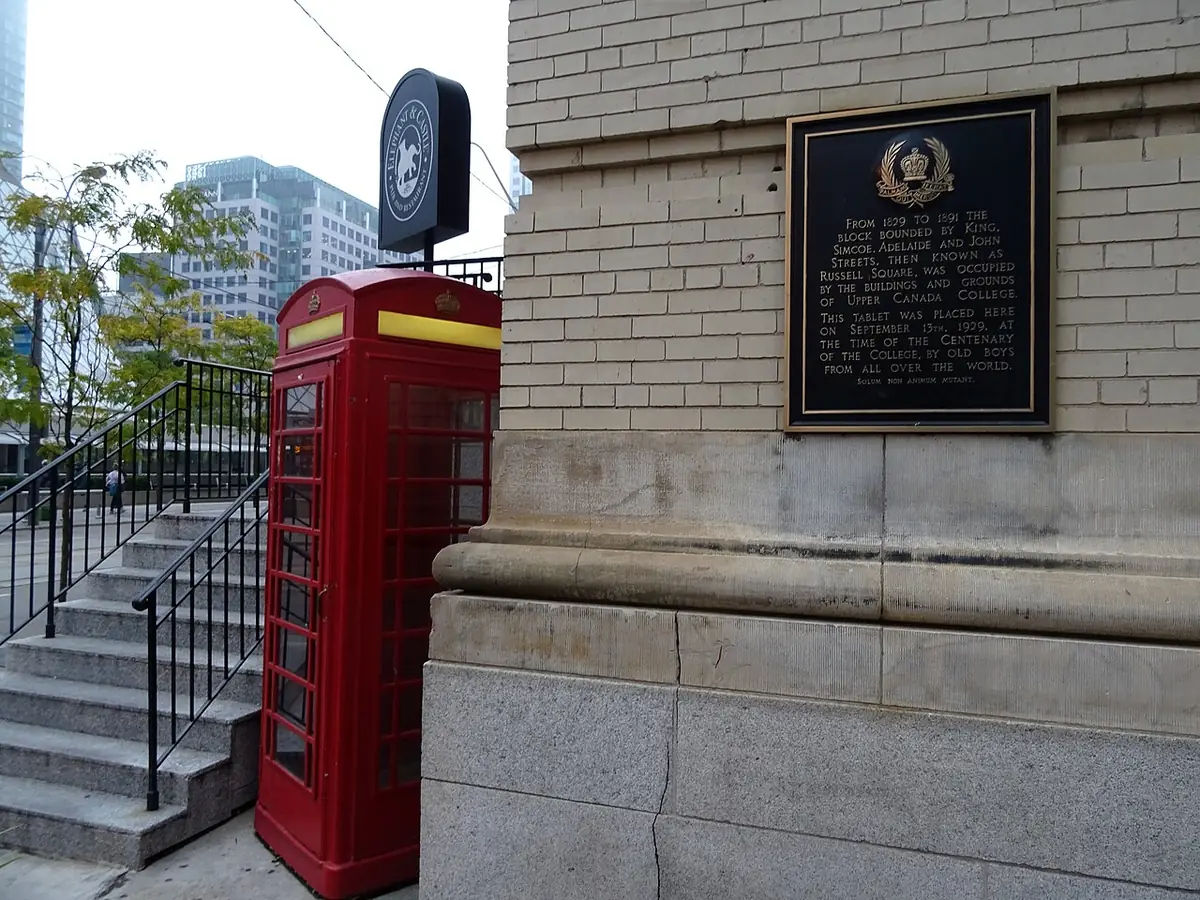
Education is a major reason investor families consider Canada. The rules depend on the parents' immigration status at each stage.
The work permit stage
- Most provincial entrepreneur streams bring you to Canada on a work permit first. Children coming with a parent on a work permit need a study permit before entry for primary or secondary school; no acceptance letter is needed in this case.
- Children already in Canada whose parent has a work permit don't need one, but IRCC recommends it.
- Ask the school board about fees: some may charge students who aren't yet residents depending on the family's status.
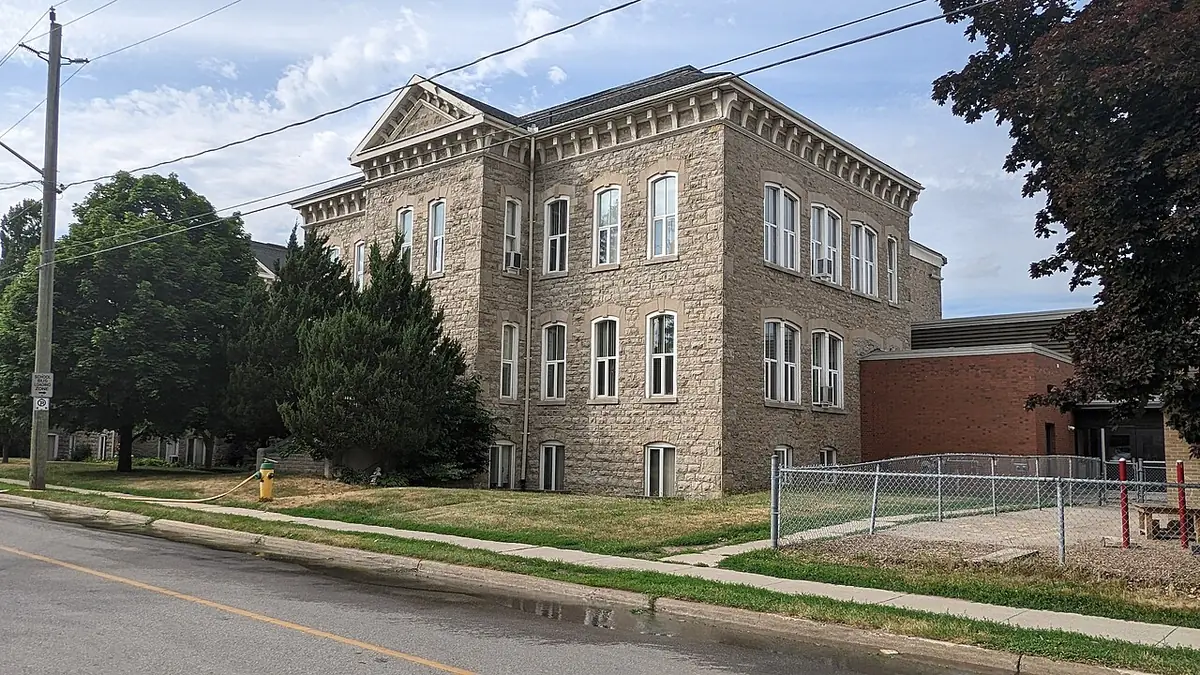
Once you have permanent residence
Children of permanent residents don't need a study permit and attend public school like Canadian students.
Public vs. private schools
| Public | Private | |
|---|---|---|
| Governance | Elected school boards, provincial curriculum | Private organizations, sometimes religious or with their own model |
| Fees | Free for those meeting age and residence rules | Tuition fees |
| Language | English; French under conditions; French immersion in many areas | Varies |
| Scale | About 14,600 public schools nationwide (CMEC, 2020) | Fewer, mostly in cities |
According to IRCC, some private schools accept only boys or only girls; most Canadian schools are co-ed.
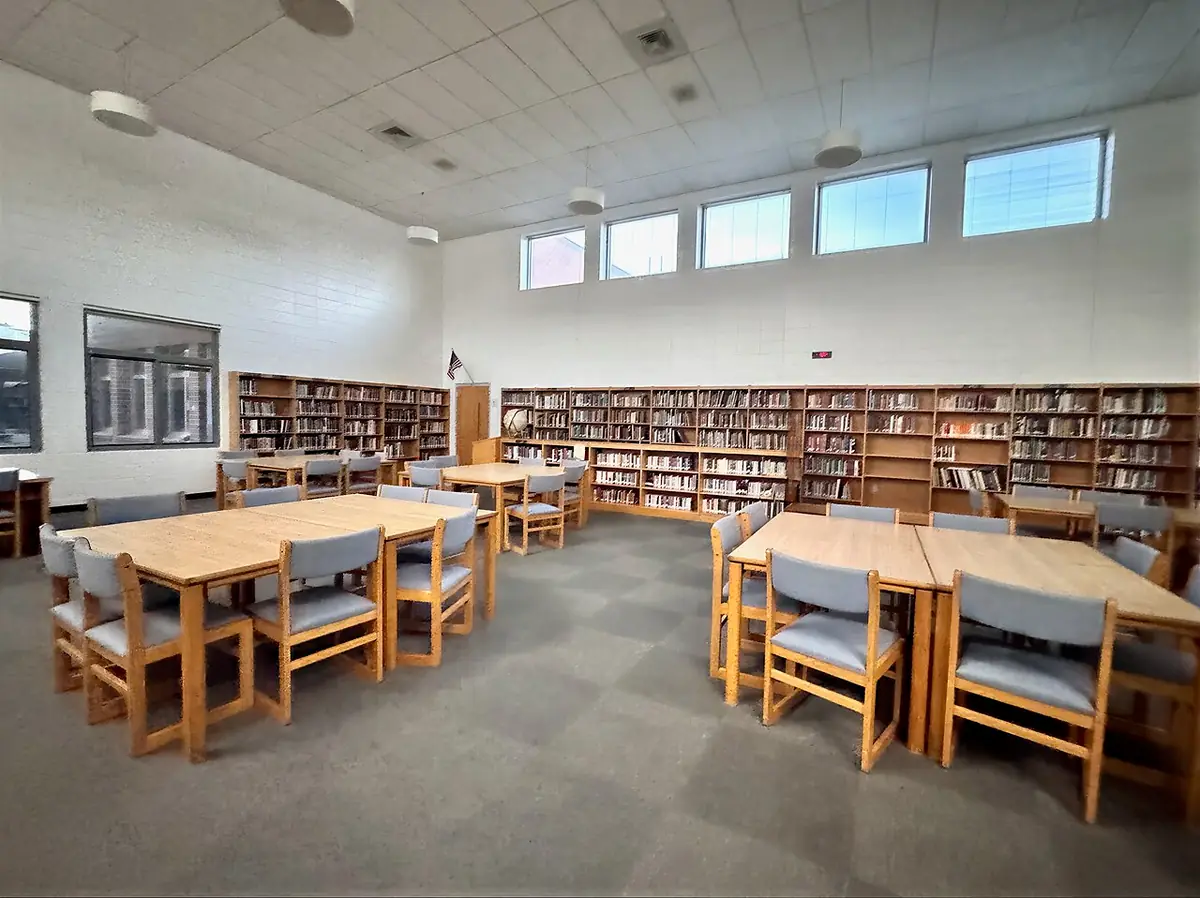
Choosing a school
- Public schools are assigned by address: where you buy or rent decides your child's school.
- In rural entrepreneur streams (such as Alberta Rural Entrepreneur), school choice in small communities is more limited than in big cities; look into it during your exploratory visit.
- Check English language support for newcomer students.
Note Bring immunization records, school reports and certified translations to make enrolment easier.

 Your spouse working in Canada
 Buying a home: rules for non-Canadians
 Personal and business taxes
