
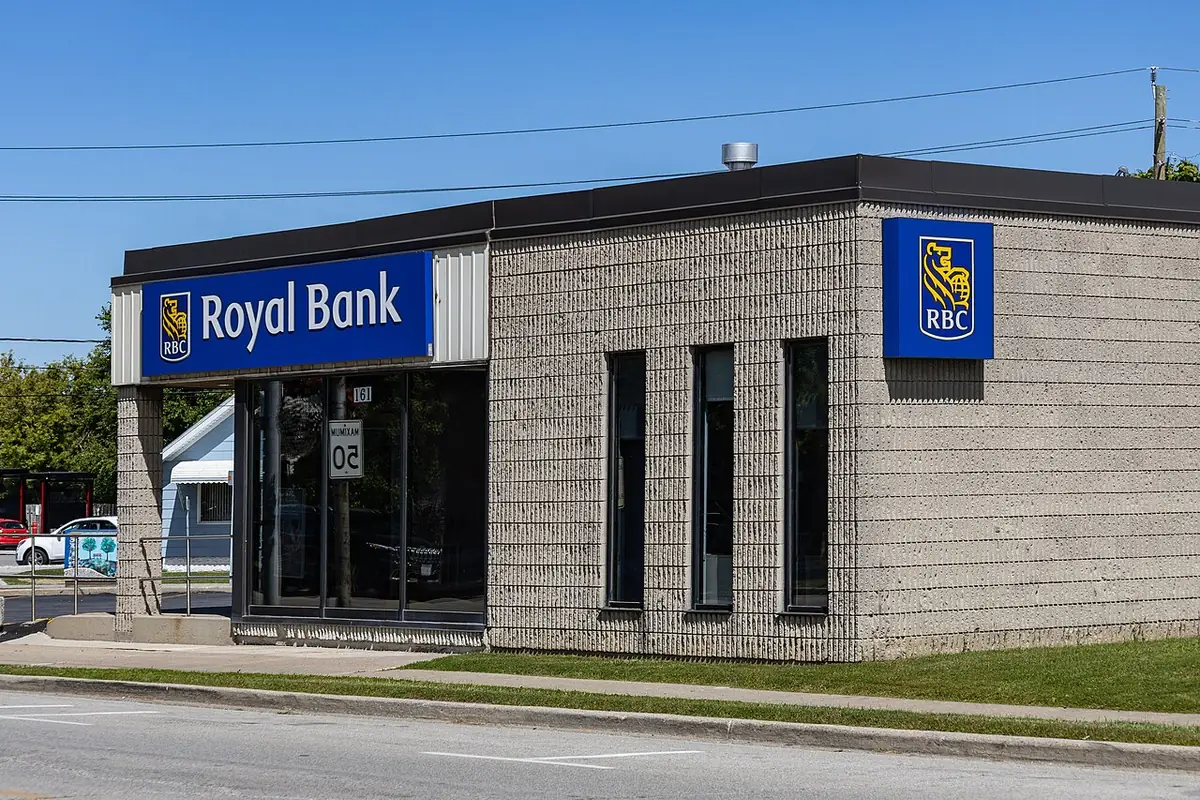
Opening a bank account
According to the Financial Consumer Agency of Canada (FCAC):
- you have the right to open an account even without a job, without money to deposit right away, and without being a citizen;
- you need original ID to confirm your identity (for example, two documents from reliable sources: one with your name and address, one with your name and date of birth);
- the bank must give you fee information when you open the account and written notice before raising fees;
- banks must send you an electronic alert when your balance falls below a set amount.

Credit scores
- Calculated by 2 credit bureaus, Equifax and TransUnion, usually from 300 to 900.
- Only Canadian credit activity counts: newcomers start from zero.
- It goes up with on-time payments and responsible use; down with late payments or too much debt.
- It affects borrowing for homes and cars, renting, even phone contracts.
- Check your credit report regularly for errors and fraud.
First-year taxes
According to the Canada Revenue Agency (CRA):
- most newcomers become tax residents from their first day living in Canada;
- income earned abroad before becoming a resident isn't taxed in Canada;
- your first return is filed the following year, usually by April 30;
- for 2026, federal tax runs from 14% (up to CAD 58,523) to 33% (over CAD 258,482), plus provincial tax.

Benefits you can apply for
- Canada Groceries and Essentials Benefit (formerly the GST/HST credit): a tax-free quarterly payment; apply as soon as you're a resident with form RC151.
- Canada child benefit (CCB): permanent residents apply when eligible; temporary residents from their 19th month in Canada.
- When applying, the CRA asks for income earned outside Canada for up to 2 years before you became a resident, to calculate benefits.
Note The CRA warns that offers to "cut your taxes" or "get benefits for time before you arrived" are scams. Participants must repay and may be penalized.

 Cost of living in VND
 Renting and buying a home
