

The system
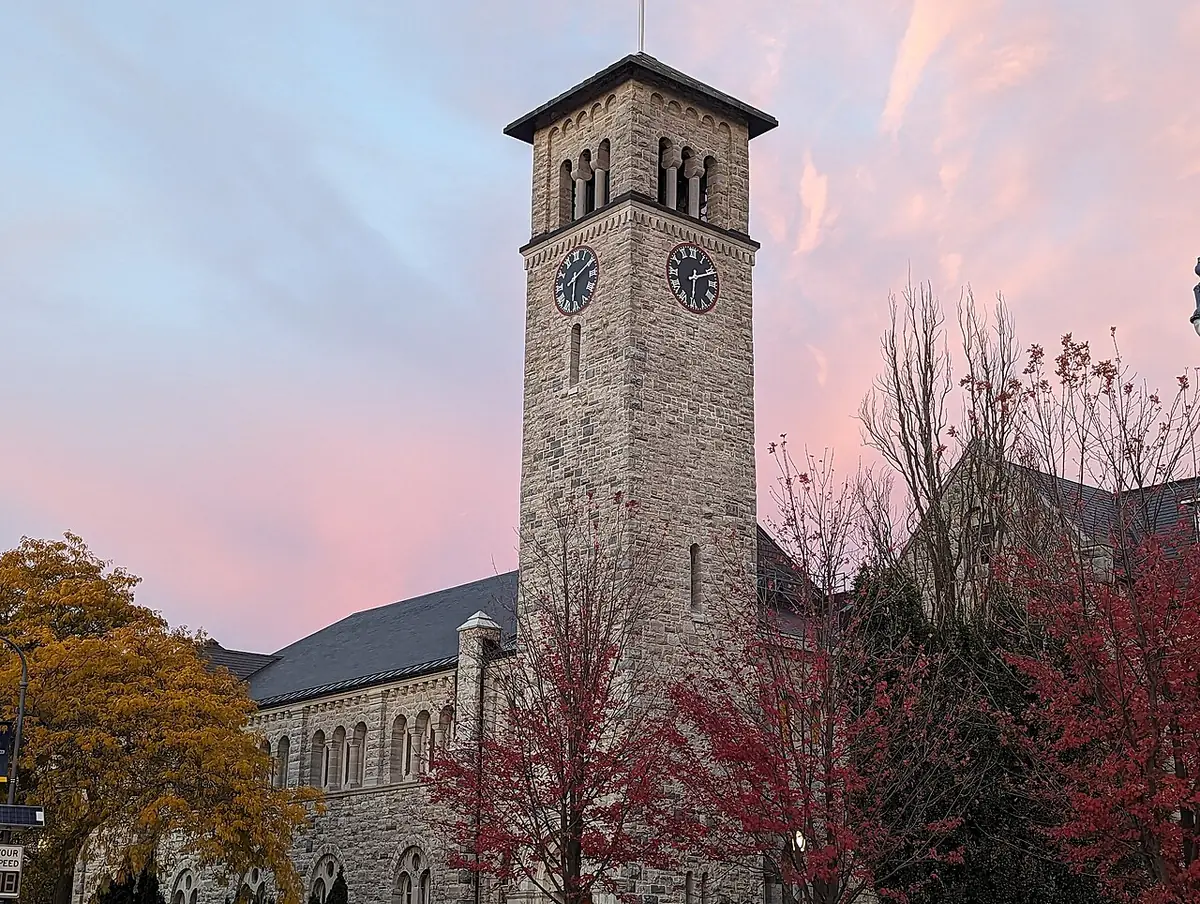
- Colleges, institutes and universities, run by the provinces.
- According to CMEC, public universities are largely autonomous: they set admission standards and degree requirements; governments mainly handle funding, fee structures and new programs.
- Public colleges work closely with business and industry, with many applied and vocational programs.
Reference tuition (CMEC)
In 2020–2021: about CAD 6,580 a year on average for Canadian undergraduates; about CAD 32,000 a year for international students. Tuition varies widely by school, program and province.
Tuition by status
- Citizens and permanent residents pay domestic tuition.
- Study permit holders usually pay international tuition.
- Children of families with temporary status should ask the school which rate applies.
Governments also support students through loans, grants and education tax credits (for those eligible).
Study permits
- International students need a study permit and a letter of acceptance from a designated learning institution (DLI).
- Study permit fee: CAD 150.
- The Francophone Minority Communities Student Pilot (FMCSP) is only for citizens of certain French-speaking countries in Africa, the Middle East and the Americas; Vietnam isn't on the list (checked October 19, 2026).
Choosing a school and program
- Check job prospects for the field on Job Bank.
- For regulated professions (health, engineering), check the program is recognized by the regulator.
- Ask about international student support, housing and internships.
Note Adults can study again in Canada too: many colleges offer programs for working people and bridging programs for those with foreign credentials.

 The Canadian school system
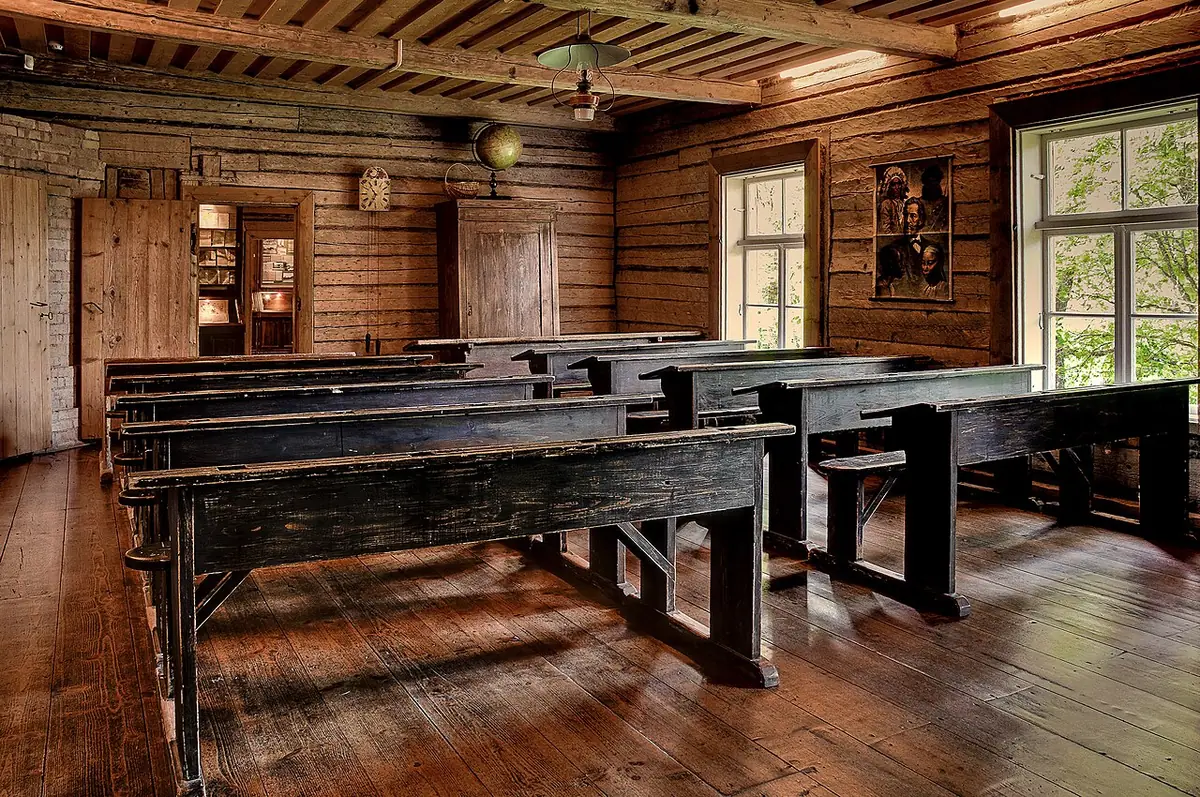
 Early childhood and school years
