
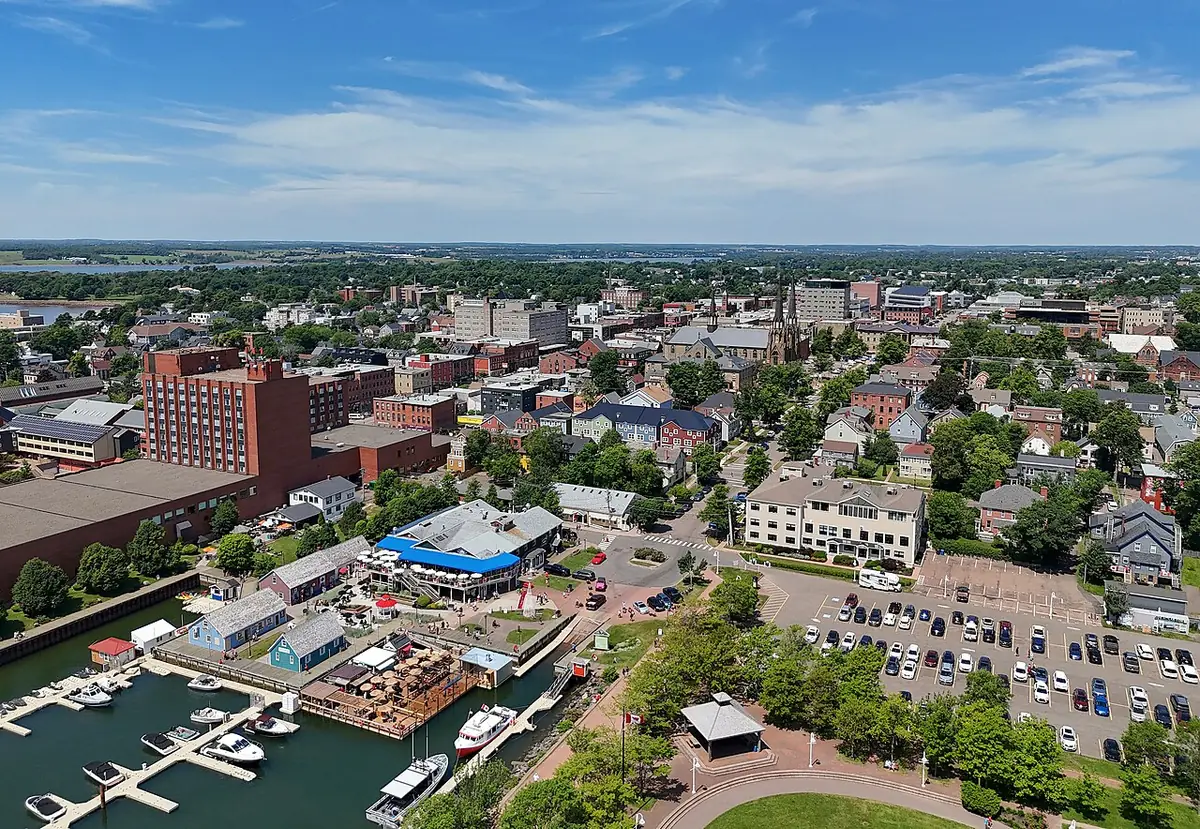
Beyond Express Entry and PNPs, IRCC runs regional programs tied to designated employers. They suit people willing to live in less populated areas.
Atlantic Immigration Program (AIP)
- For skilled workers and graduates of Atlantic post-secondary institutions who want to live and work in New Brunswick, Nova Scotia, Prince Edward Island or Newfoundland and Labrador.
- Requires a job offer from an employer designated by the province (designation is free for employers).
- The offer must be full-time and non-seasonal; at least 1 year from PR for TEER 0–3, and permanent with no end date for TEER 4.
- Experience must match the offer's TEER:
| Job offer TEER | Accepted experience TEER |
|---|---|
| 0 | 0, 1, 2, 3, 4 |
| 1 | 1, 2, 3, 4 |
| 2 | 2, 3, 4 |
| 3 | 3, 4 |
| 4 | 4 |
- Steps: get an offer, get a settlement plan, the employer applies for provincial endorsement, then apply for PR; a work permit while waiting is possible with a provincial support letter.
- AIP work permit holders and their families can use IRCC-funded settlement services.
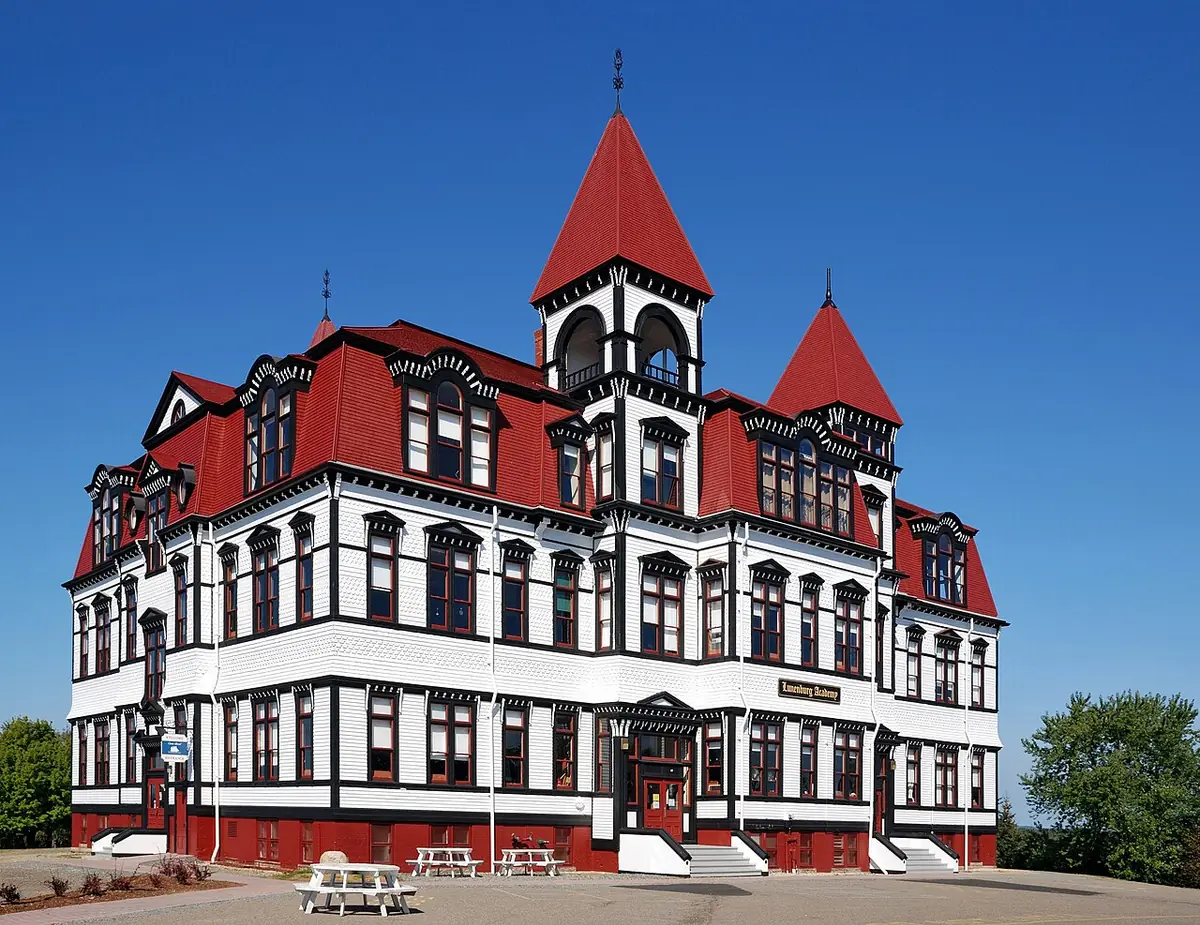
Rural Community Immigration Pilot (RCIP)
- For skilled workers who want to work and settle in 14 rural and remote communities chosen by IRCC.
- Communities designate employers, review and recommend candidates, like the FCIP model.
- Requirements: an offer from a designated employer, 1 year (1,560 hours) of related experience in 3 years, a language test, an equivalent credential and settlement funds.

Quick comparison
| AIP | RCIP | FCIP | |
|---|---|---|---|
| Scope | 4 Atlantic provinces | 14 rural communities | 6 Francophone communities |
| Who designates employers | The province | The community | The community |
| Language | English or French | English or French | French NCLC 5 |
Note Lists of designated employers are published by the province or community. Never pay anyone to get "on the list" or to receive an offer.

 How Canadian work experience is counted
 Express Entry: the Canadian Experience Class
 Provincial nominee programs
