
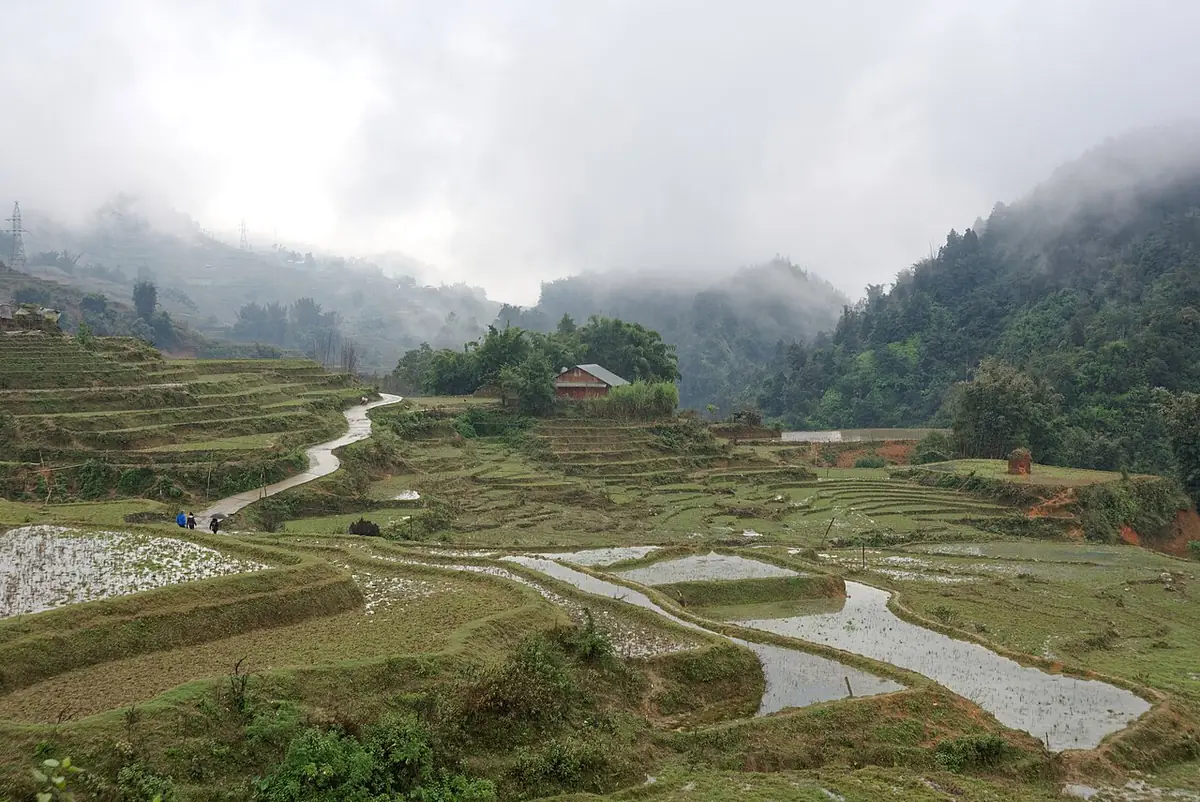
Children growing up in Canada usually switch to English or French very quickly. Keeping Vietnamese takes deliberate effort from the family.
Why keep it
- Staying connected with grandparents, relatives and family culture.
- An extra language is a lasting advantage.
- Canada values multiculturalism; according to the 2021 Census, more than 200 languages other than English and French are spoken.
At home
- Agree as a family to speak Vietnamese at home.
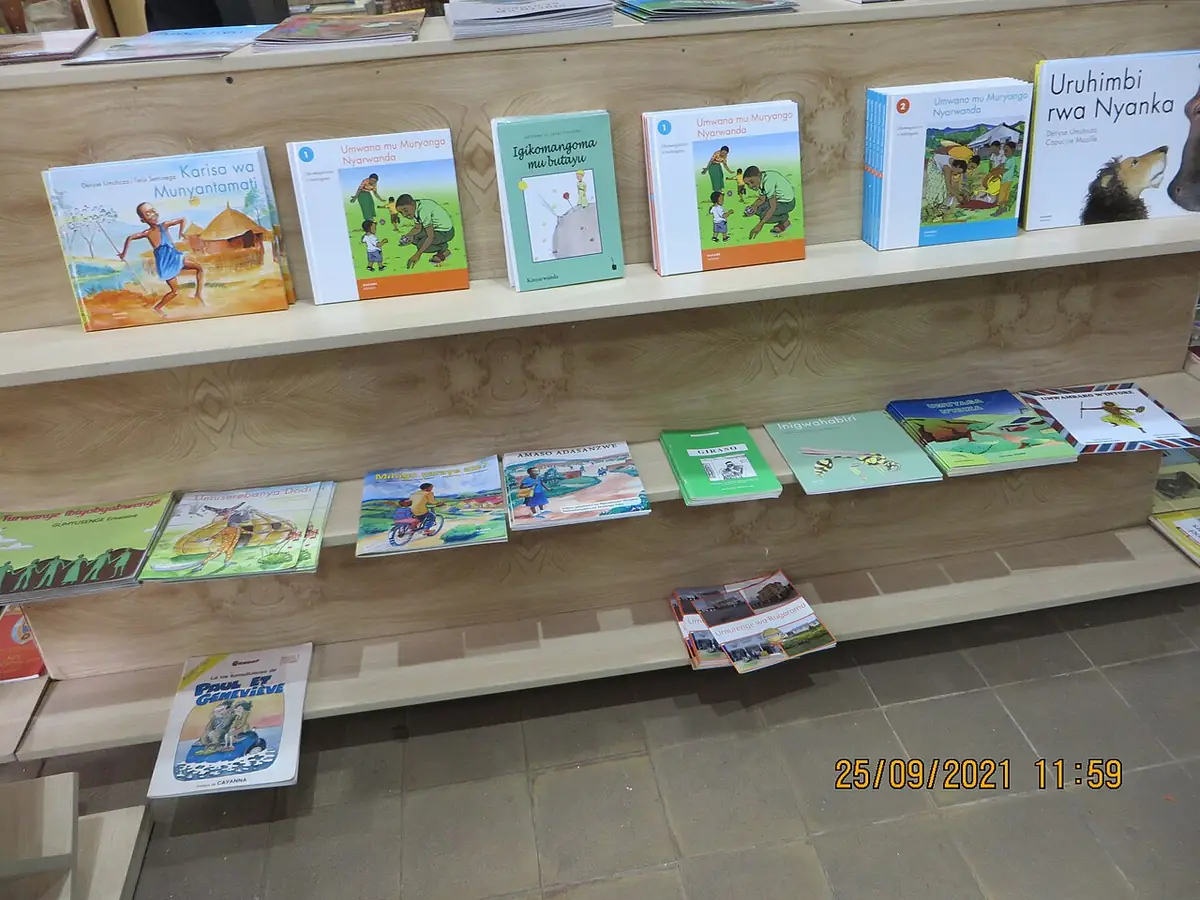
- Read, tell stories and sing in Vietnamese from an early age.
- Watch films and listen to music in Vietnamese together.
- Video-call grandparents regularly.
- Cook Vietnamese food together and celebrate Tết and the Mid-Autumn Festival.
Outside the home
- Weekend Vietnamese classes at temples, churches and associations.
- Public libraries may have Vietnamese books or borrow them from other libraries.
- Community cultural activities: dance, singing, festivals.
Balancing it with school languages
- Vietnamese at home doesn't hold children back in English or French at school; many children learn several languages well when each has a clear setting.
- If your child attends a French-language school or French immersion, they can use three languages: Vietnamese at home, French at school and English in wider society.
- Talk to the teacher if your child struggles with language; many schools support newcomer students.
Note Don't push too hard: making Vietnamese fun (games, stories, food) works better than forcing it.

 Where Vietnamese Canadians live
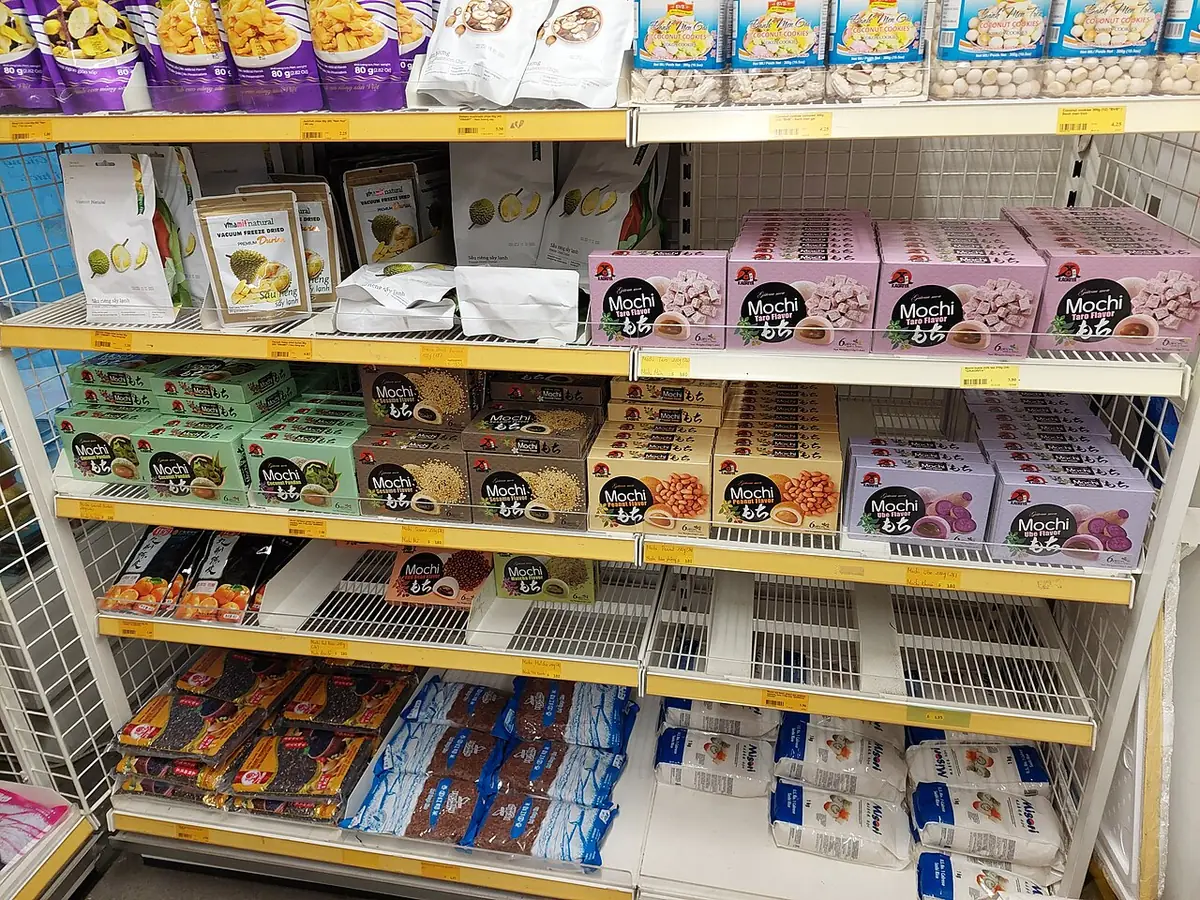 Markets, temples and associations
