
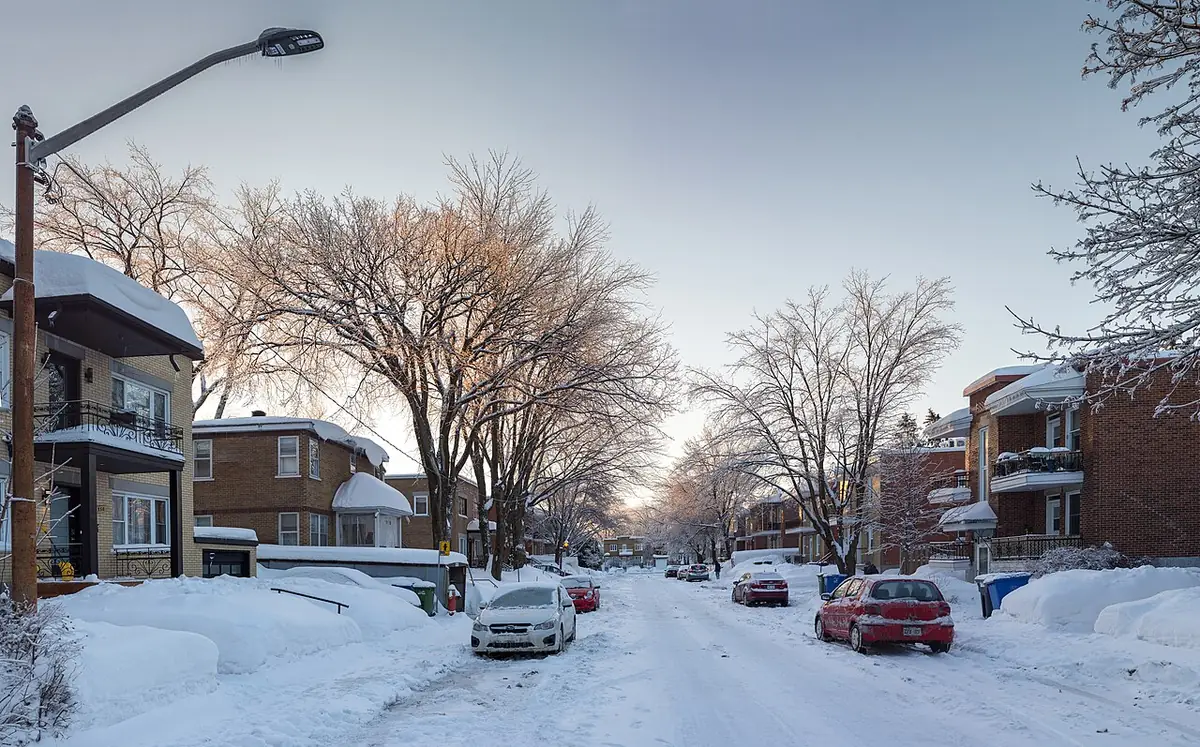
Canada's climate is very different from Vietnam's. Knowing what to expect helps your family prepare.
Four seasons according to IRCC
- Winter: very cold in most places, often below 0°C; snow covers the ground from about December to March or April. Southwest British Columbia (around Vancouver and Victoria) gets more rain than snow in winter.
- Summer: about June to September, daytime 20 to 30°C or higher; southern Ontario and Quebec are often very humid.
- Spring and fall: transition seasons with lots of rain.
By region
| Region | Features |
|---|---|
| West Coast (coastal BC) | Mild, rainy winters; interior and northern BC much colder |
| Prairies | Very cold, dry winters, sunny warm summers |
| Ontario, Quebec | Hot, humid summers in the south, cold snowy winters; colder further north |
| Atlantic | Ocean influence: lots of rain, snow and wind |
| North | Long, harsh winters |
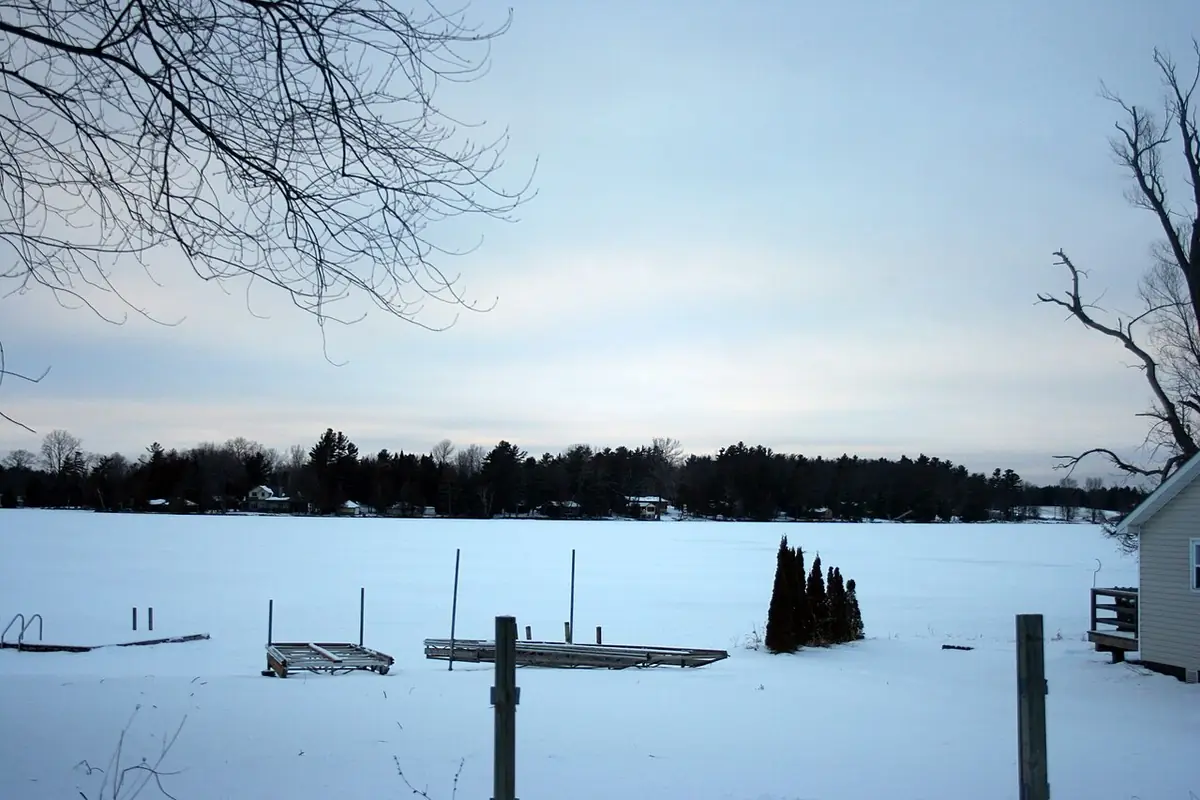
Preparing for your first winter
IRCC advises buying:
- a hat;
- boots;
- gloves;
- a winter coat.
Also:
- dress in layers and keep hands and feet dry;
- winter tires if you have a car (required in winter in some provinces);
- follow weather forecasts; schools may close for snowstorms.
Looking up the details
Environment and Climate Change Canada publishes the Canadian Climate Normals for each station: long-term averages of temperature, rain and snow. The Atlas of Canada has geography and climate information.
Note With the right clothing, IRCC says you can enjoy the unique beauty of a Canadian winter. Many families take up skating or skiing in their first winter.

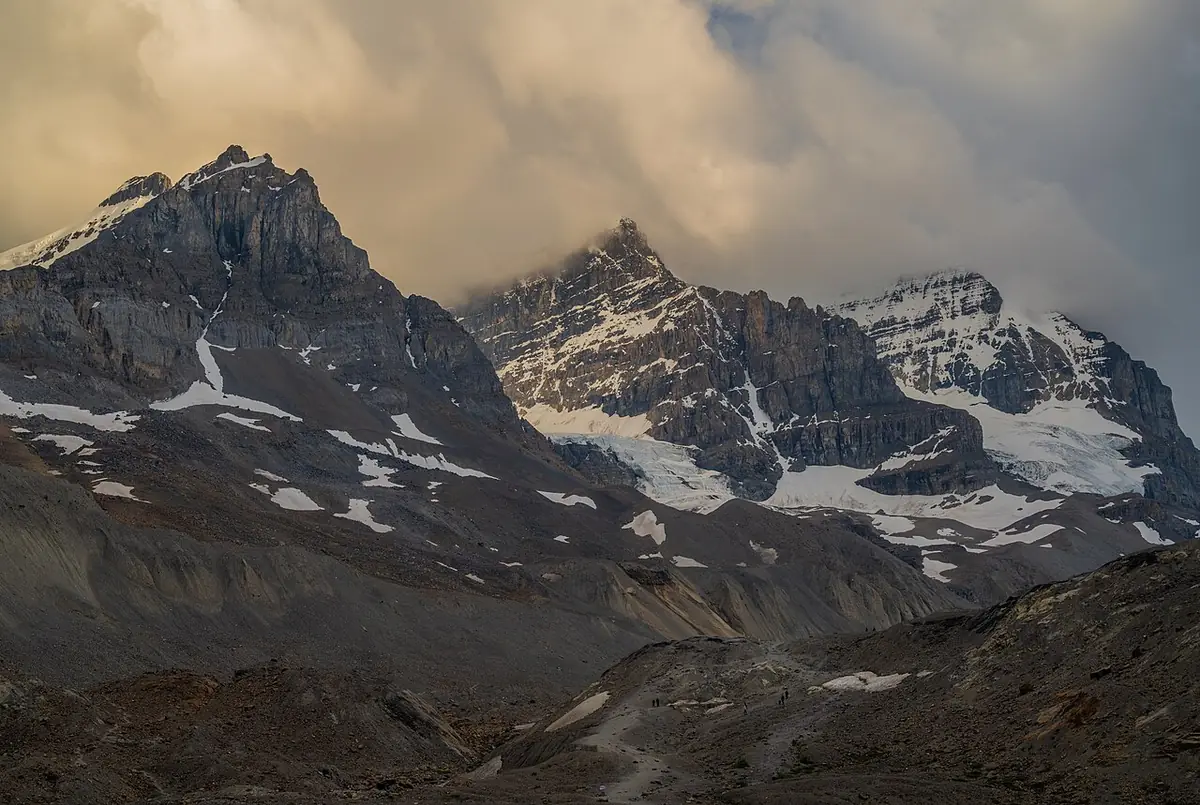 Overview of the 10 provinces and 3 territories
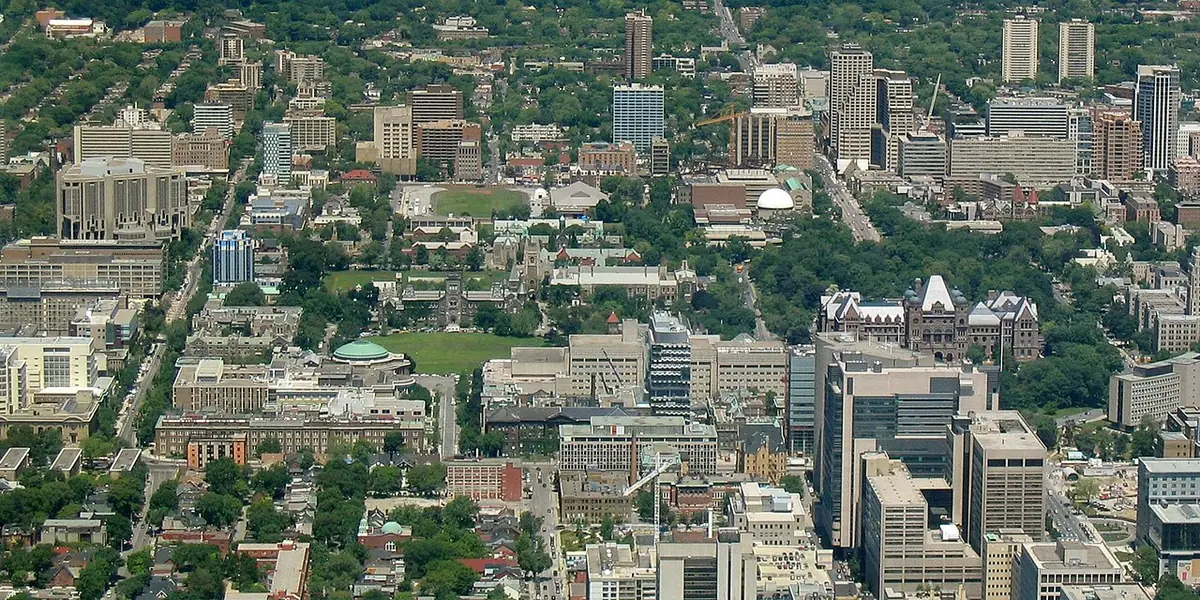 Big cities and small towns
