
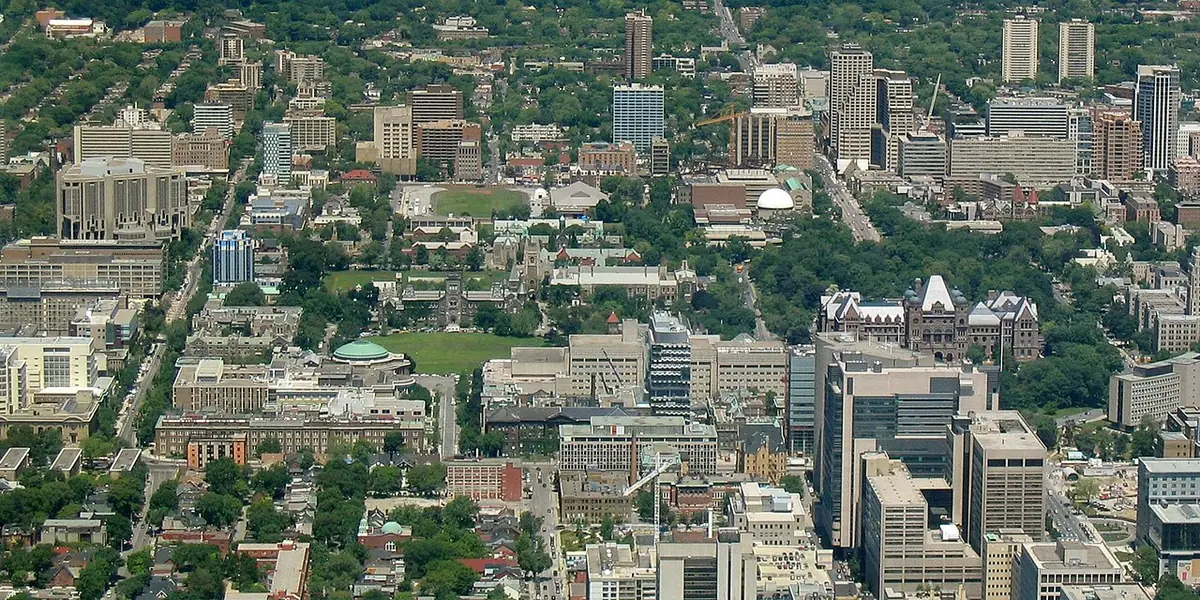
IRCC advises newcomers to think about the life they want before choosing where to live, even if they already have family in Canada.
Three city sizes according to IRCC
| Size | Examples |
|---|---|
| Large | Toronto, Montreal, Vancouver: where most newcomers settle |
| Medium (about 100,000 to 1 million people) | St. John's, Halifax, Québec City, Ottawa, Hamilton, Kitchener, London, Windsor, Sudbury, Winnipeg, Saskatoon, Regina, Calgary, Edmonton, Victoria, Thunder Bay |
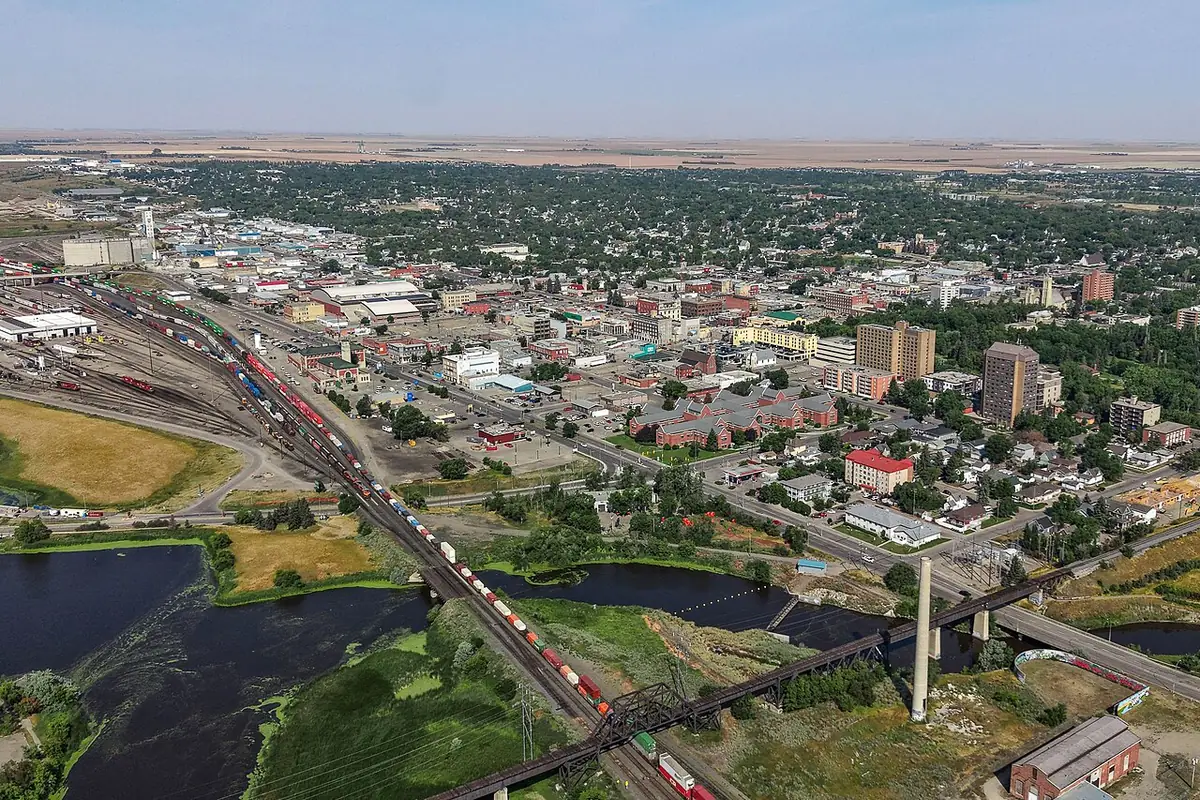
| Small | Sydney, Corner Brook, Charlottetown, Moncton, Trois-Rivières, Brandon, Moose Jaw, Red Deer, Kelowna |
According to IRCC, small cities offer most of the public and private facilities of big cities at a lower cost of living. Rural areas offer open space and fresh air; services depend on how close you are to the nearest large town.
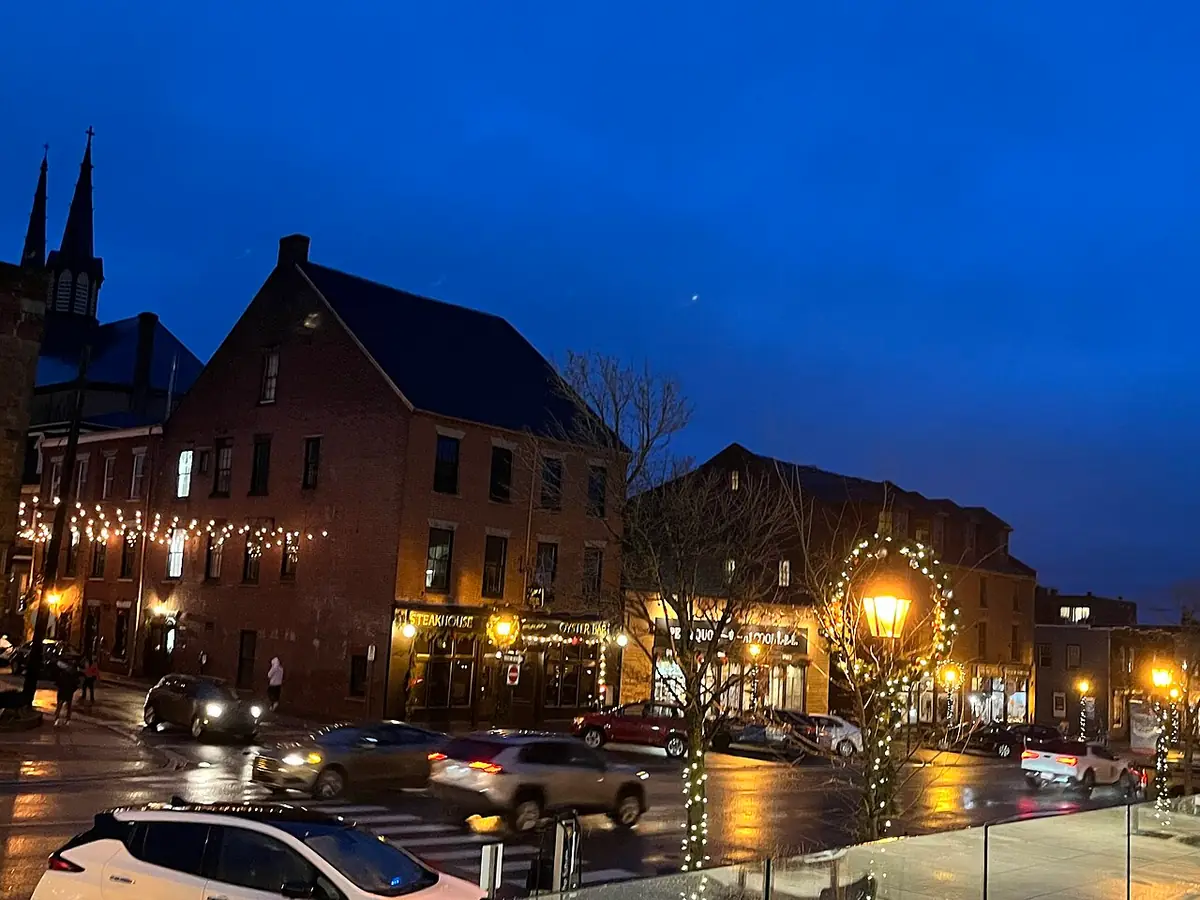
Quick comparison
| Large cities | Medium and small cities | |
|---|---|---|
| Jobs | Many and varied, highly competitive | Fewer, sometimes concentrated in certain sectors |
| Housing costs | High | Usually lower |
| Public transit | Good | Limited, a car is often needed |
| Vietnamese community | Larger | Smaller |
| Regional immigration pathways | Few | Many targeted programs (AIP, RCIP, FCIP, provincial rural streams) |
Questions IRCC suggests
- Do you want a big city or a small town?
- What kind of schooling does your family want?
- Where can you best use your work skills?
- What about climate, libraries, community centres, health services, languages spoken and cultural activities?
Note A smaller city can be a good start for costs and regional immigration programs, but research the job market for your occupation carefully.

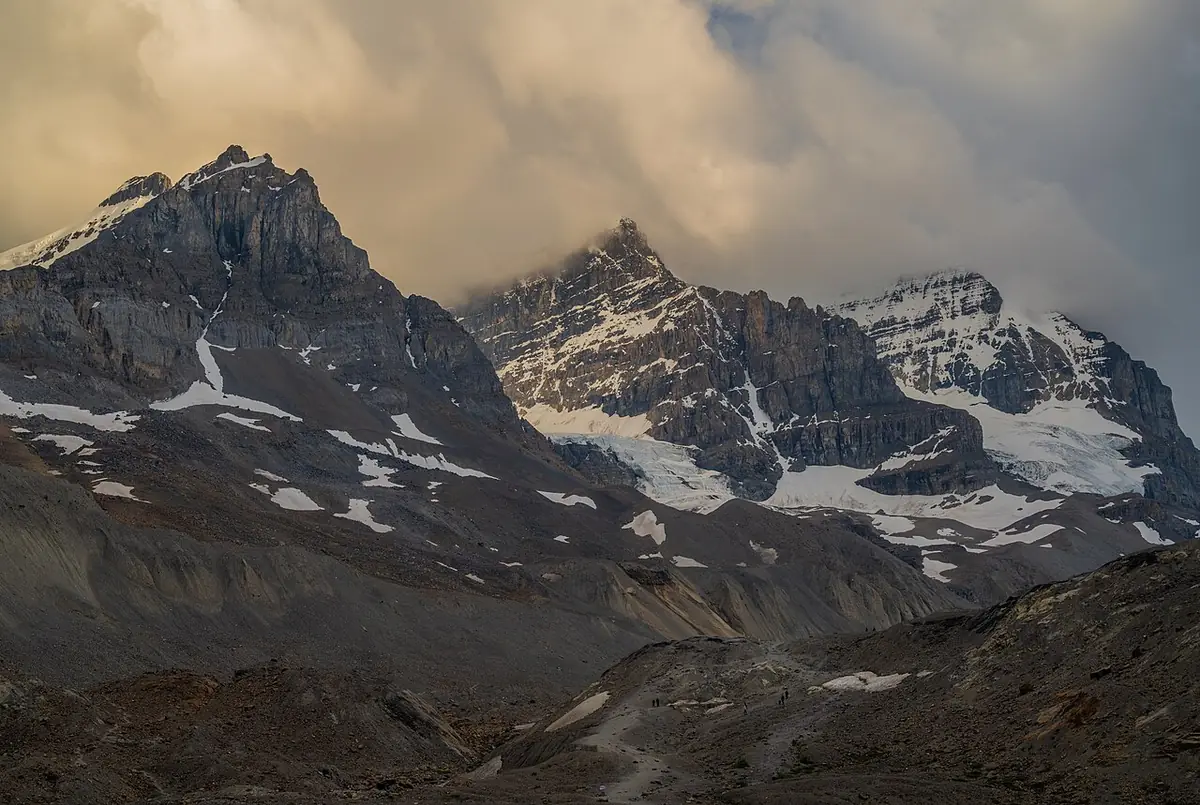 Overview of the 10 provinces and 3 territories
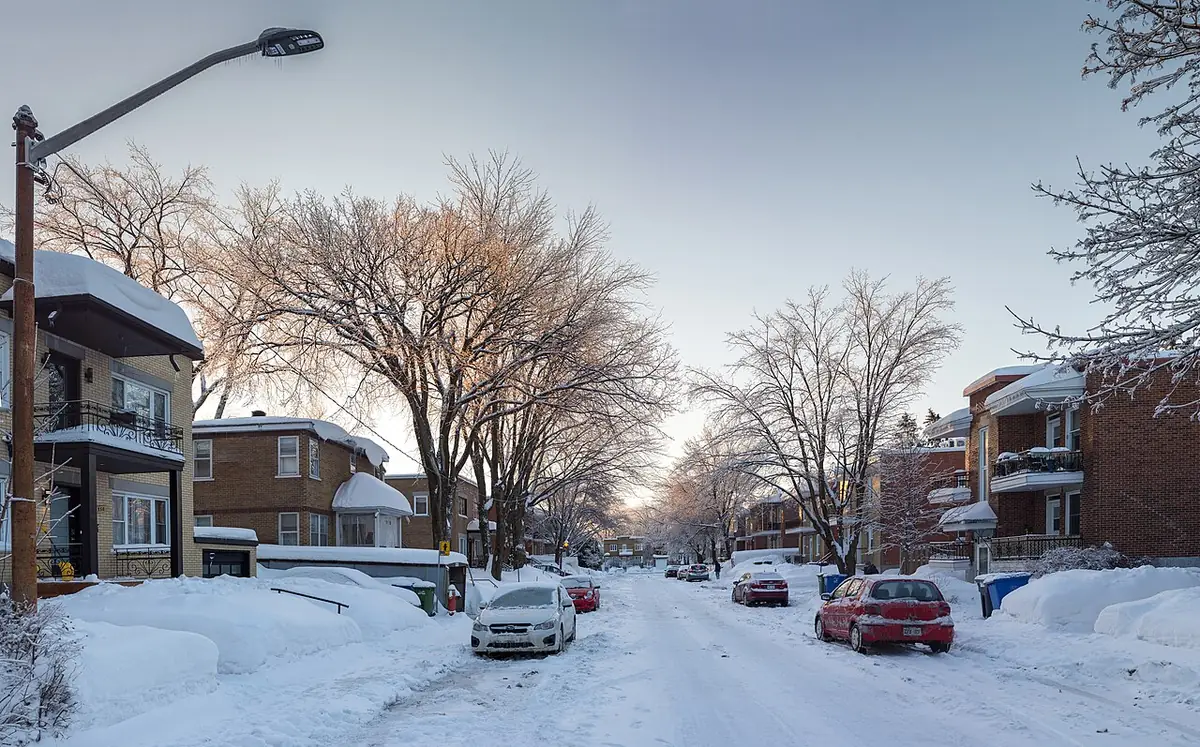 Climate
