
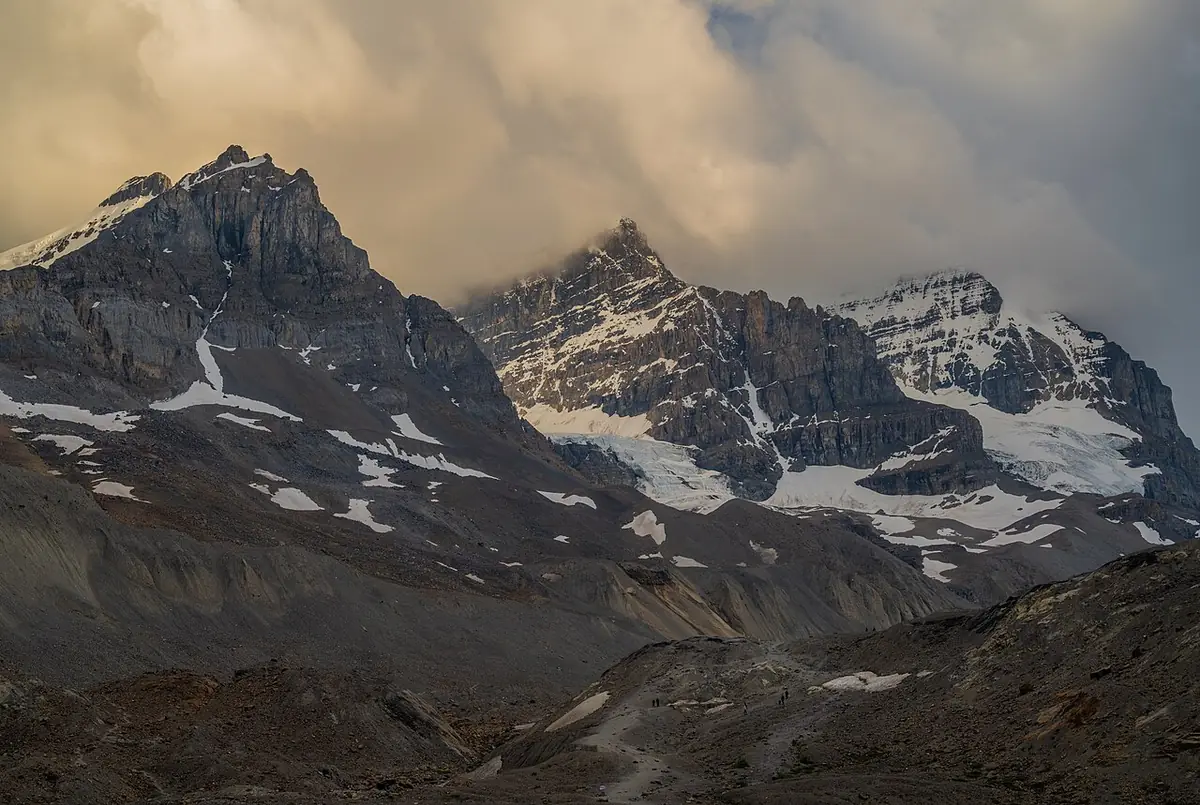
Canada is the world's second-largest country, bordered by three oceans: the Pacific to the west, the Atlantic to the east and the Arctic to the north. It has 10 provinces and 3 territories, each with its own capital. The national capital, Ottawa, sits on the Ottawa River between Ontario and Quebec.
5 regions
| Region | Provinces and territories |
|---|---|
| Atlantic | Newfoundland and Labrador, Prince Edward Island, Nova Scotia, New Brunswick |
| Central | Quebec, Ontario |
| Prairies | Manitoba, Saskatchewan, Alberta |
| West Coast | British Columbia |
| North | Nunavut, Northwest Territories, Yukon |
Where people live
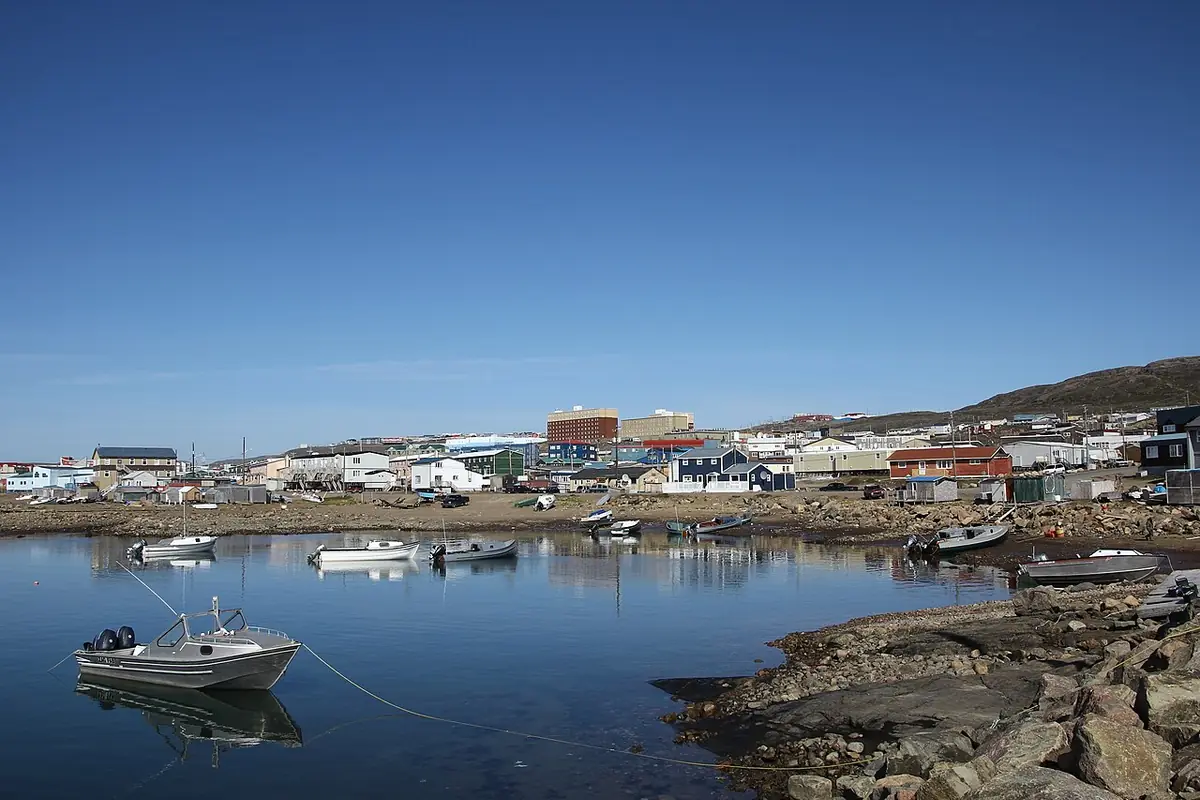
According to IRCC, most people live in southern Ontario and Quebec, southwest British Columbia and Alberta. Much of the North has very few people because of the cold climate. The three largest cities, where most newcomers settle, are Toronto, Montreal and Vancouver.
Provinces manage many things that matter to you
- Health insurance and health cards.
- Schools.
- Driver's licences.
- Employment and tenancy laws.
- Provincial nominee programs (except Quebec and Nunavut).
- Provincial taxes.
So even within Canada, rules can differ significantly between provinces.
Getting started
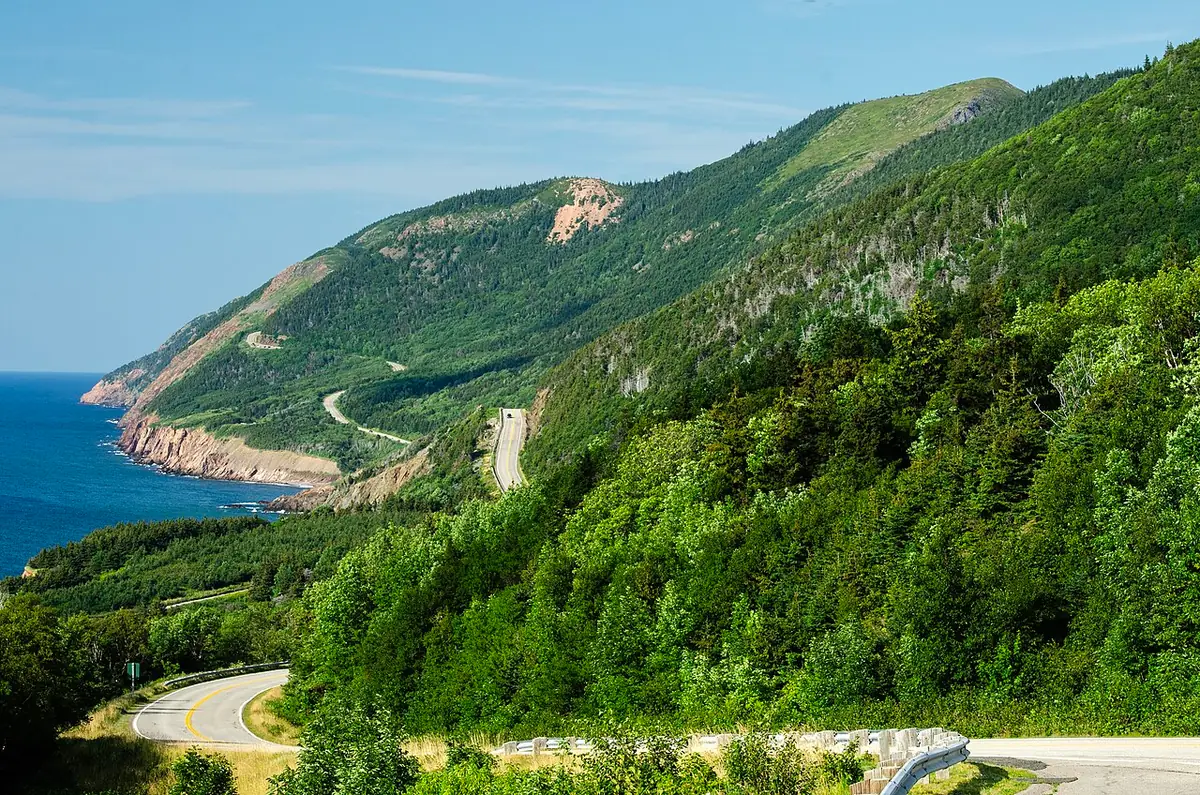
- IRCC's "Get to know Canada – Provinces and territories" page introduces each province, its newcomer services and resources for French speakers.
- Each province's website has information on schools, government, tourism and cities.
- Job Bank has regional labour market information.
Note Compare based on your family's needs: jobs, schools, climate, the Vietnamese community and cost of living.
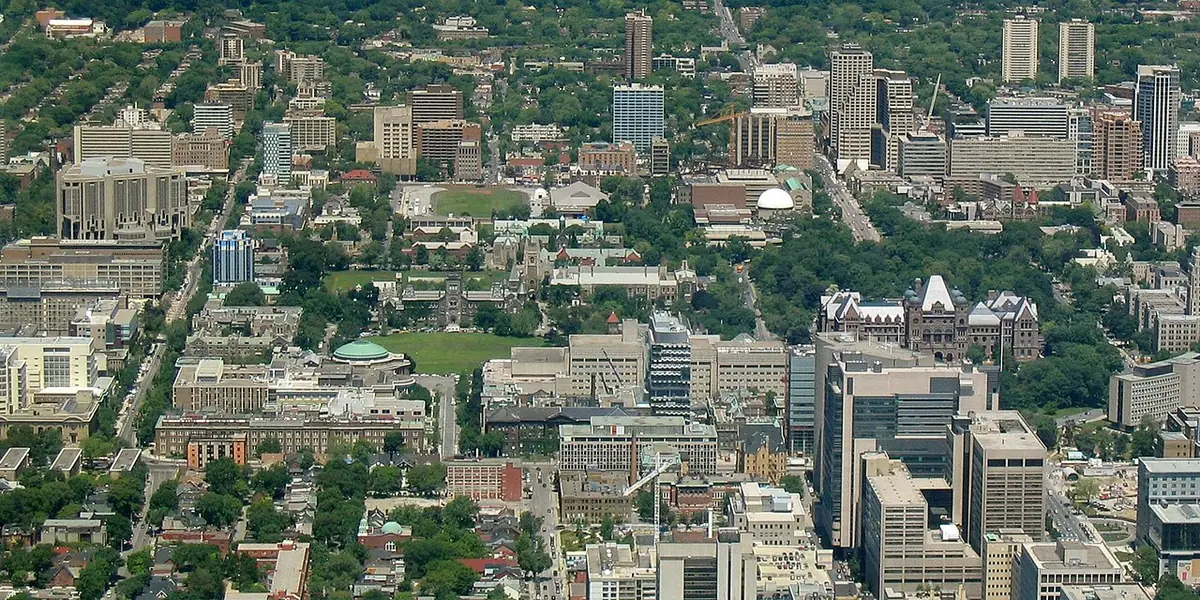 Big cities and small towns
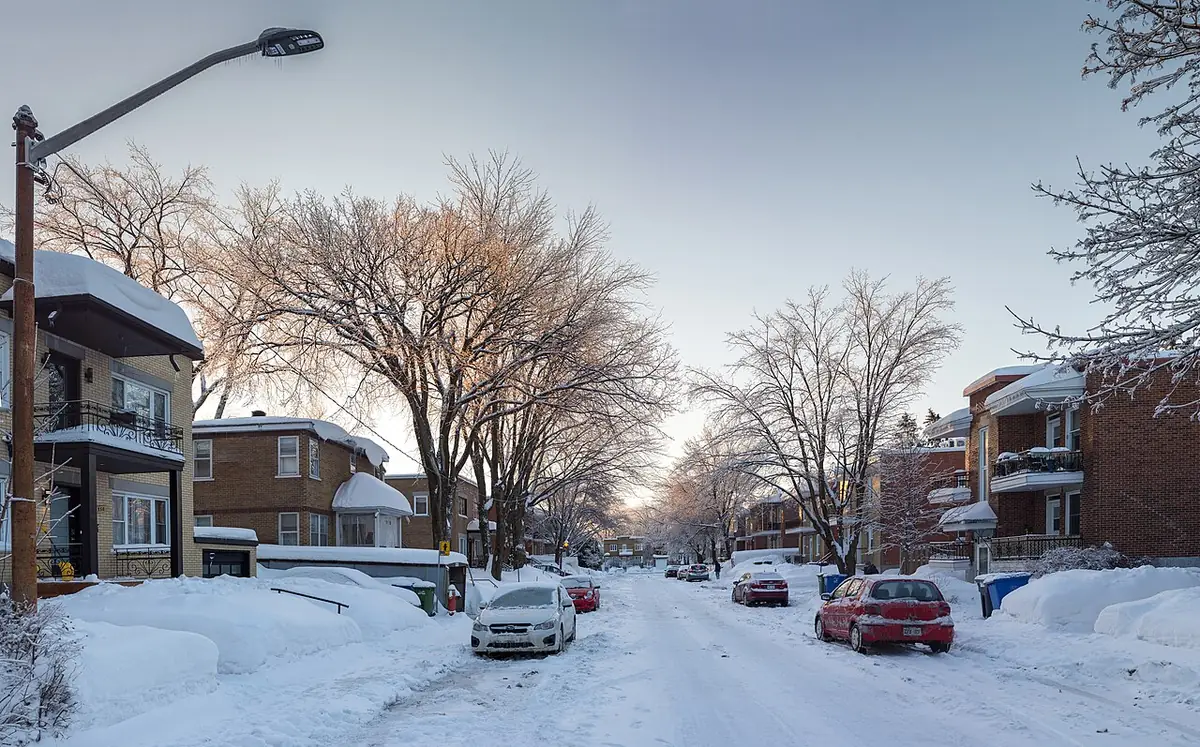 Climate
