

In Canada, you don't usually go straight to a hospital for everyday health problems. Knowing where to go gets you the right care faster.
Family doctors
- A family doctor (general practitioner) treats you when you're sick, gives prevention advice and orders basic tests such as blood work and blood pressure checks.
- When needed, your family doctor refers you to a specialist.
- Having a family doctor means one doctor follows you over time and you can book ahead instead of waiting in line.
- Not every Canadian has a family doctor. Ask your provincial health ministry how to join the waiting list.
- Each family member needs a separate appointment.
Walk-in clinics
For non-urgent care when you don't have a family doctor. IRCC notes a clinic may charge fees if you don't live in that province.
Pharmacists
- For minor illnesses such as colds, headaches, small cuts or burns, ask a pharmacist.
- Pharmacists can recommend over-the-counter medicines, which you pay for yourself.
- Prescription drugs require a doctor's prescription.
Emergencies
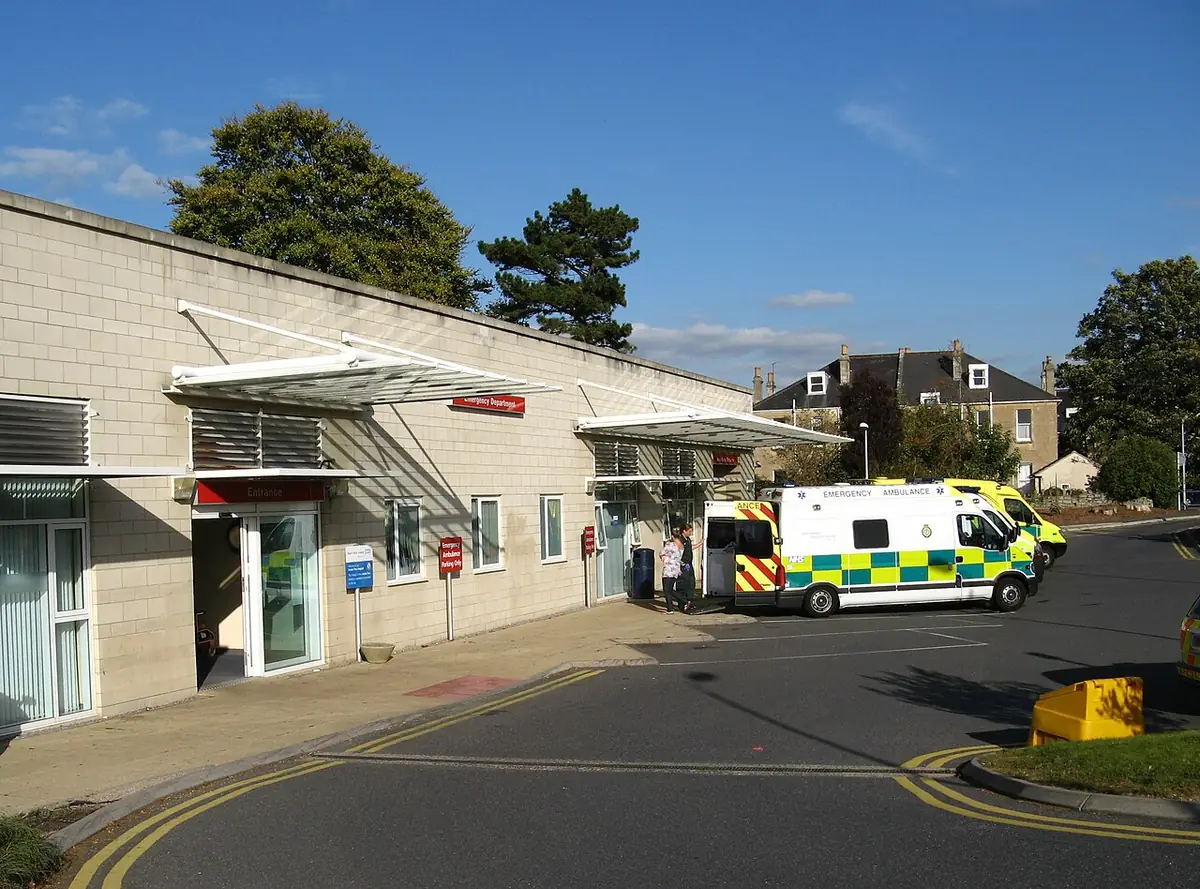
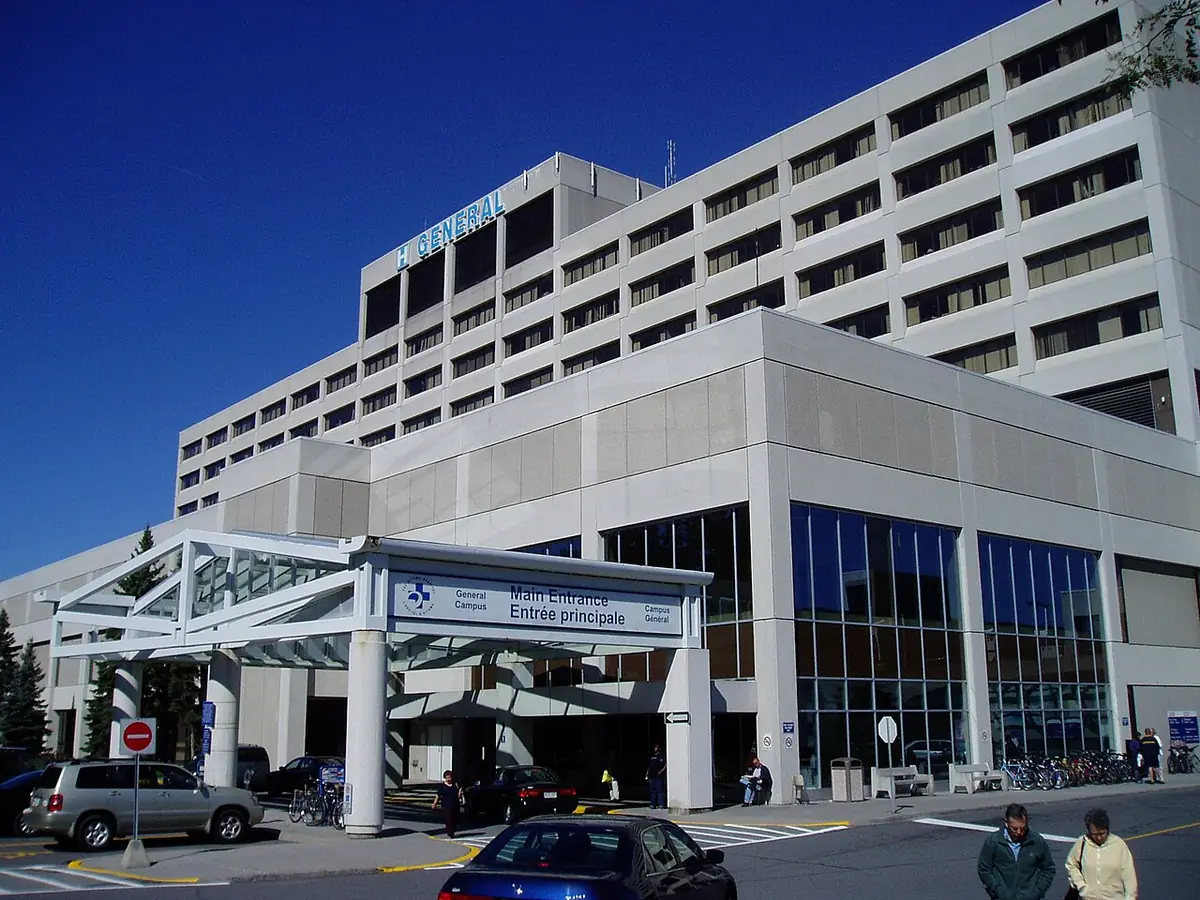
- If a life is at risk or you need urgent care, call 911 or go to the nearest hospital emergency department.
- Medication given in hospital is provided free to people with public coverage.
- Emergency departments treat the most serious cases first; minor cases can wait a long time.
Health advice lines
Many provinces have free health advice lines staffed by nurses; for example, Alberta's Health Link (dial 8-1-1) is open 24/7. Ask your province about a similar service.
Note If IRCC sends you a "Medical Surveillance Notice", follow its instructions. Ignoring it can affect future applications such as extensions or permanent residence.

 Provincial health insurance for work permit holders
 Waiting periods and temporary insurance
 Getting health care in French
