
French-speaking families living outside Quebec can consider three options: French-language (francophone) schools, English-language schools, or French immersion within English schools.
French-language schools
- According to CMEC, the minority language rights of French-speaking students outside Quebec are protected by the Canadian Charter of Rights and Freedoms, which sets the conditions for access to publicly funded minority-language education.
- Every province and territory has French-language school boards that run French-first-language schools.
- According to Canadian Heritage, there are 38 school boards, 1,005 schools and 260,928 students in official language minority school systems.
- In French-language schools, nearly all subjects are taught in French, with English as a subject.
English-language schools
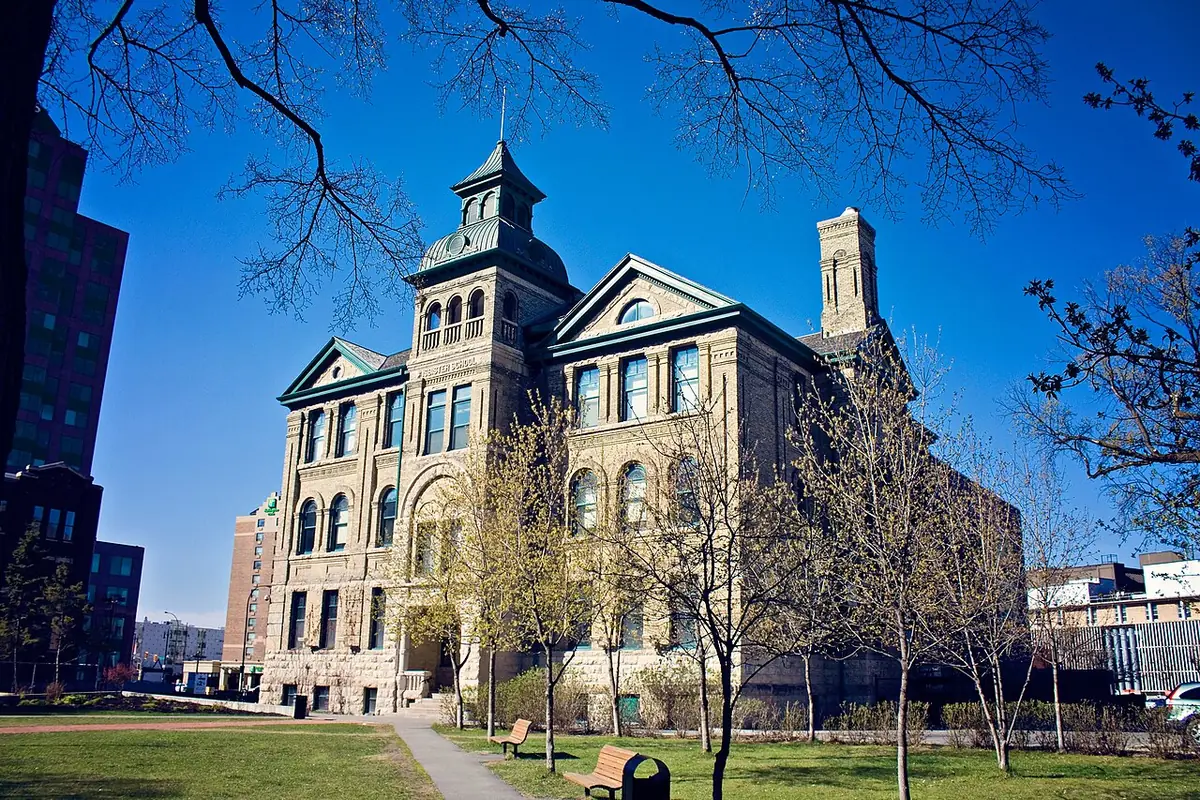
- The most common option outside Quebec.
- Newcomer students who aren't yet fluent in English usually get language support.
Who can attend a French-language school
Charter rights depend on the parents' language and citizenship, among other conditions. Children of work permit holders who aren't citizens may not automatically have this right; many French-language school boards have an admission process for students outside the rights-holder categories. Contact the French-language school board where you live to ask about admission.
How to choose
- Child already fluent in French: a French-language school helps keep and develop it.
- Child mainly speaks Vietnamese and is new to French: consider how well they can keep up and what language support the school offers.
- Check distance and transport: French-language schools are fewer and may be further from home.
Note Whichever school you choose, your child will still need English for daily life outside Quebec. Being bilingual is a long-term advantage.

 The public school system
 Early childhood education and child care
 Raising children bilingual in French and English
