
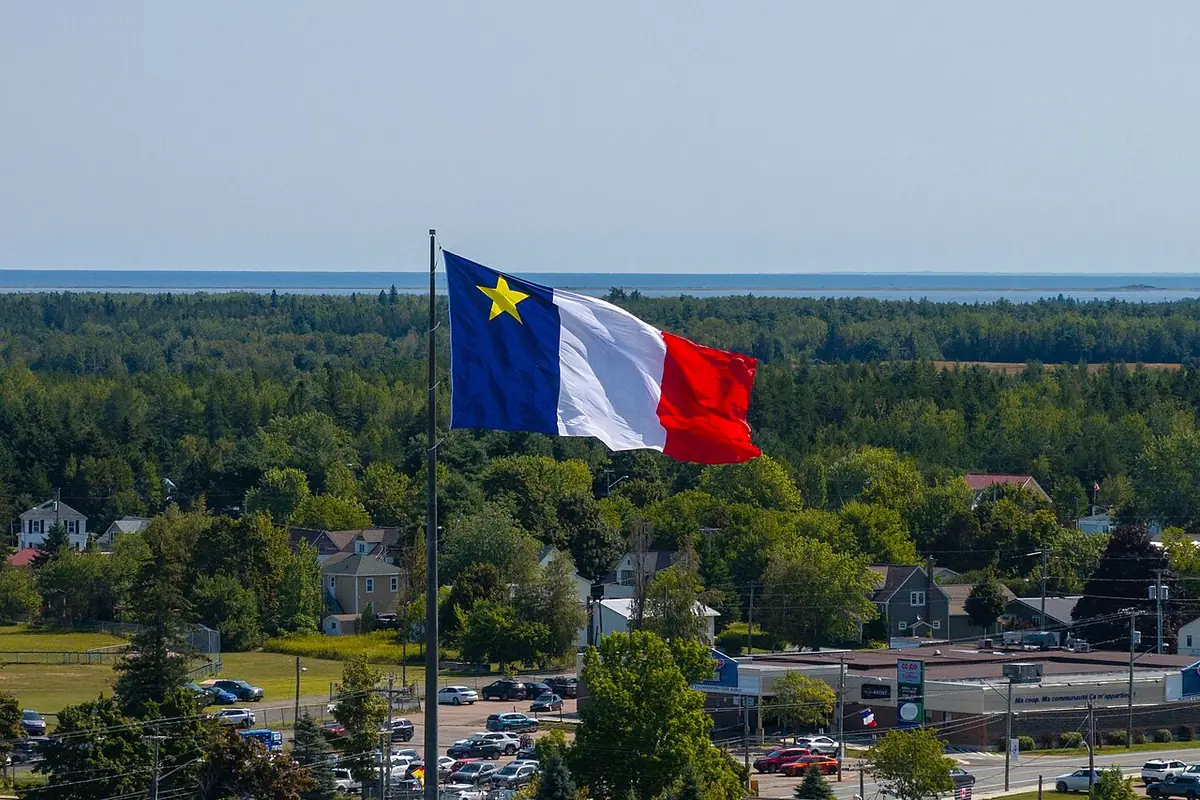
Outside Quebec, Francophone and Acadian communities live in all 9 provinces and 3 territories. The Government of Canada sees French-speaking immigration as a way to keep these communities strong and growing.
Size of the community
- According to the 2021 Census, French speakers make up about 3.5% of Canada's population outside Quebec, down from 6.1% in 1971.
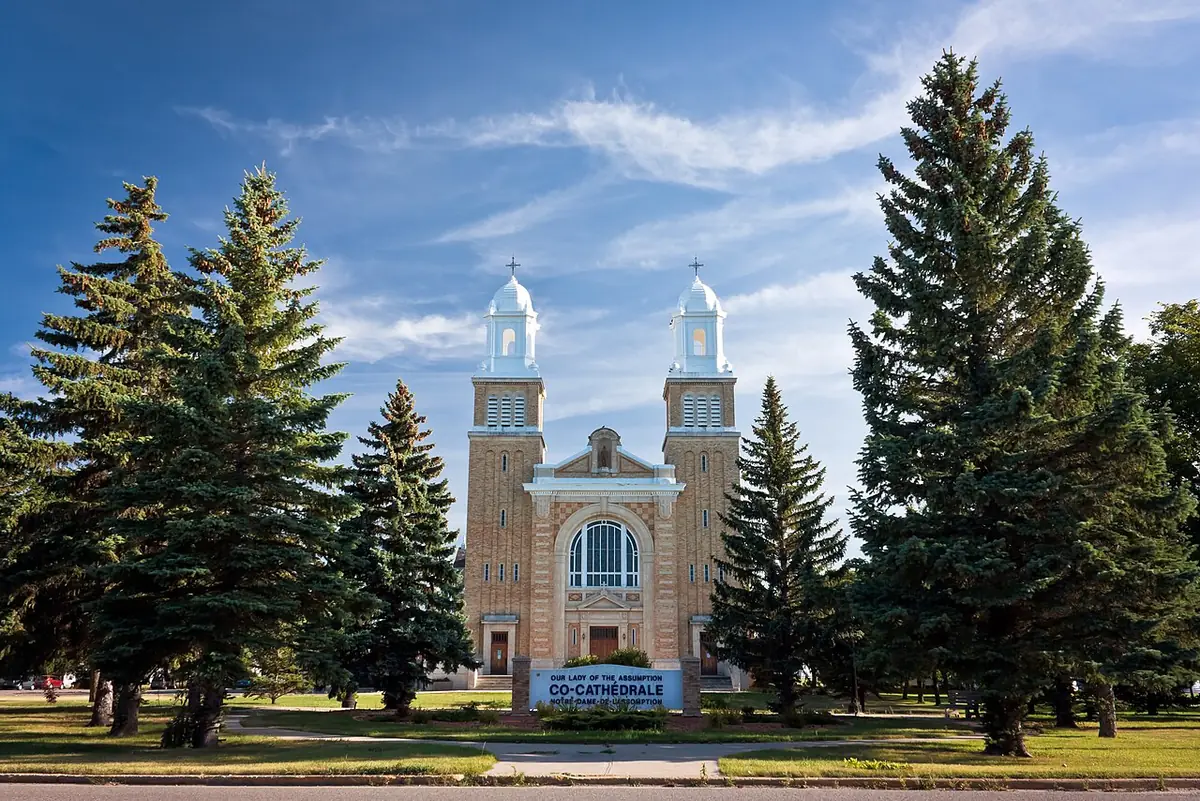
- The community has 38 school boards, 1,005 schools, 131 community radio stations and newspapers and 377 community organizations (Canadian Heritage).
French-speaking immigration policy
According to IRCC's news release of January 19, 2026:
- in 2025 Canada exceeded its target for the fourth year in a row, with about 8.9% of new permanent residents outside Quebec being French-speaking;
- from 2026, the government reserves 5,000 federal selection spaces for provinces and territories to designate French-speaking immigrants, on top of annual PNP allocations;
- the goal is 12% French-speaking permanent residents outside Quebec by 2029.
Key tools: the French-language category in Express Entry, the Francophone Mobility program (C16) and the Welcoming Francophone Communities initiative.
Community organizations
- The FCFA (Fédération des communautés francophones et acadienne du Canada), active since 1975, represents Francophone and Acadian communities in 9 provinces and 3 territories.
- The Francophone immigration portal (immigrationfrancophone.ca), run by the FCFA with IRCC funding, presents the communities and the annual National Francophone Immigration Week.
- Each province has Francophone organizations, cultural centres, community newspapers and radio.
Getting involved
- Follow local Francophone and Acadian cultural events and festivals.
- Listen to IRCC's "My new home" podcast about French-speaking immigrants' experiences (in French, with English transcripts).
- Volunteer with a Francophone organization to build your network.

 Working in a bilingual workplace
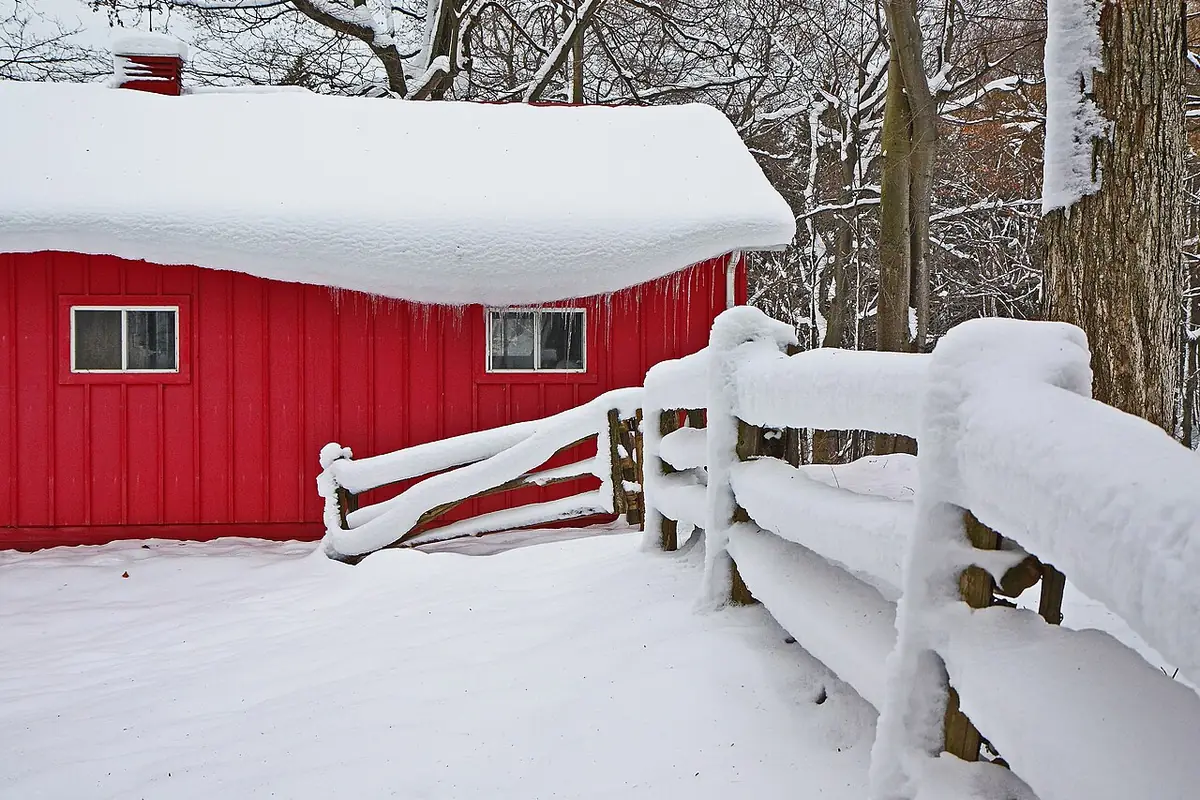 Culture shock and winter
 Settlement services in French
