
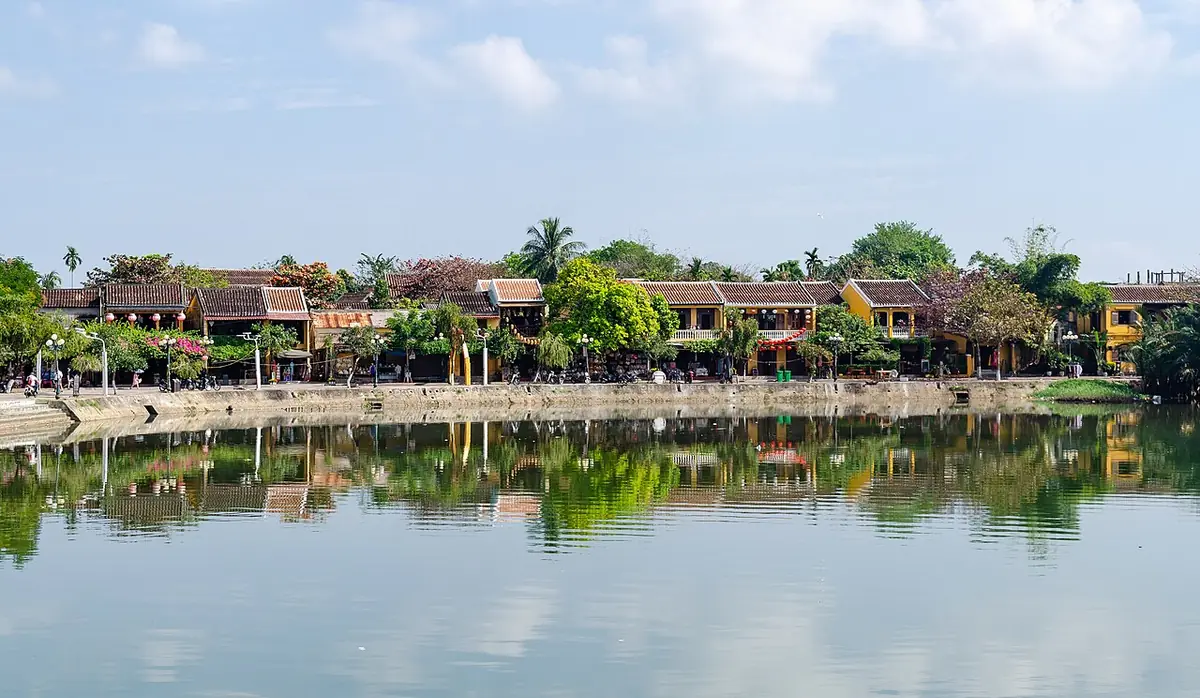
Canada's multicultural society rests on the belief that all citizens are equal and that diversity makes the country stronger. Newcomers are encouraged to keep their culture while taking part in community life.
Keeping Vietnamese at home
- Speak Vietnamese at home. Children learning French and English at school do better when their home language stays strong.
- Read, tell stories, watch films and listen to music in Vietnamese together.
- Video-call grandparents and relatives in Vietnam regularly.
- Look for weekend Vietnamese classes run by community groups, temples or churches where available.

Connecting with Vietnamese Canadians
According to IRCC, places of worship can be a source of support during your transition: people who speak your language, share your culture and know where to buy the food you need. Small Francophone communities may have few Vietnamese residents; connect with the Vietnamese association in the nearest large city.
Celebrating Tết in Canada
- Tết usually falls in late January or February, in the middle of the Canadian winter, and is not a public holiday. Ask for leave early if you want time off.
- Many Vietnamese associations, temples and churches hold community Tết celebrations on the nearest weekend.
- Share Tết with colleagues, neighbours and your child's class: it is also a way to integrate.
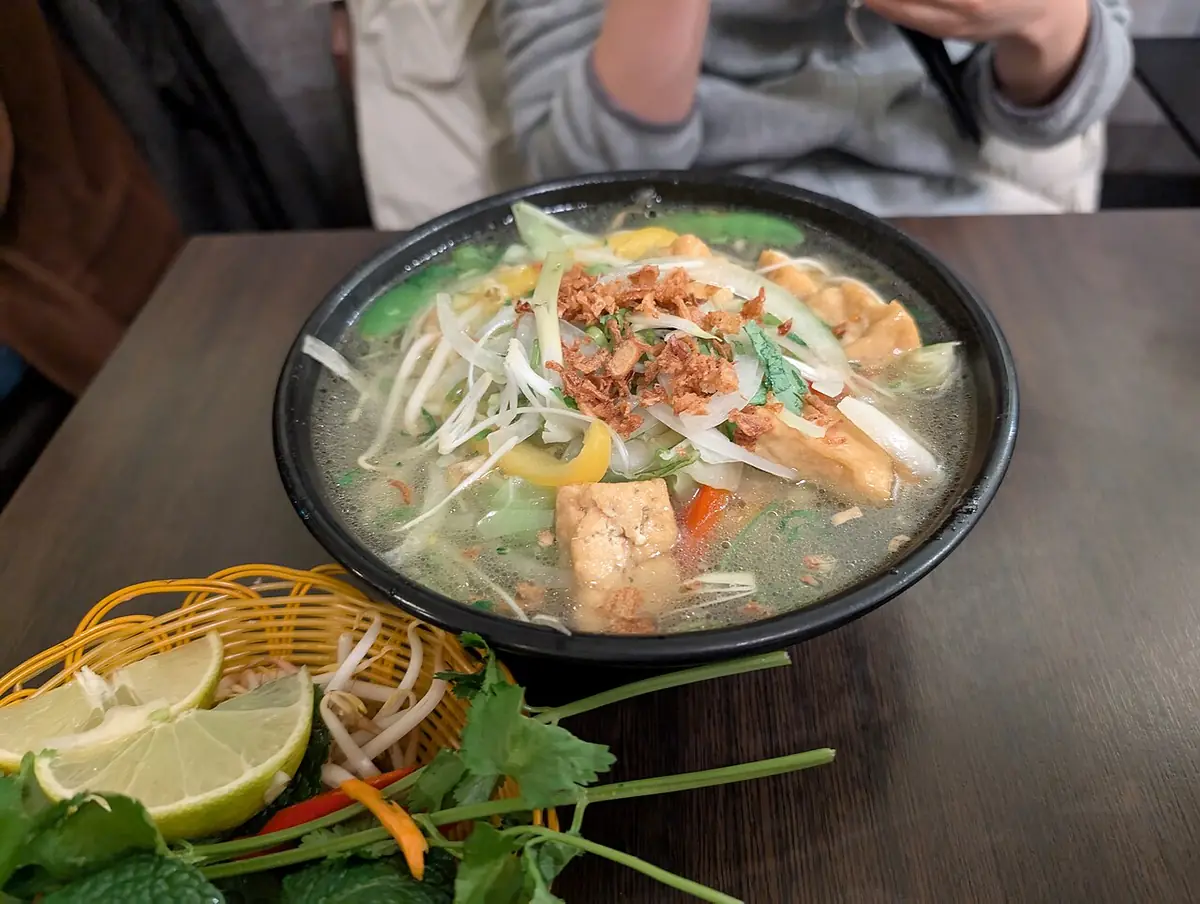
Three languages, one family
Children growing up in a Francophone community outside Quebec can use Vietnamese at home, French at school and English in wider society. It is a lasting advantage if the family keeps it up.
Note Canadian libraries and community centres often have multicultural spaces, books and programs. Ask your local library about Vietnamese books or hosting cultural activities.

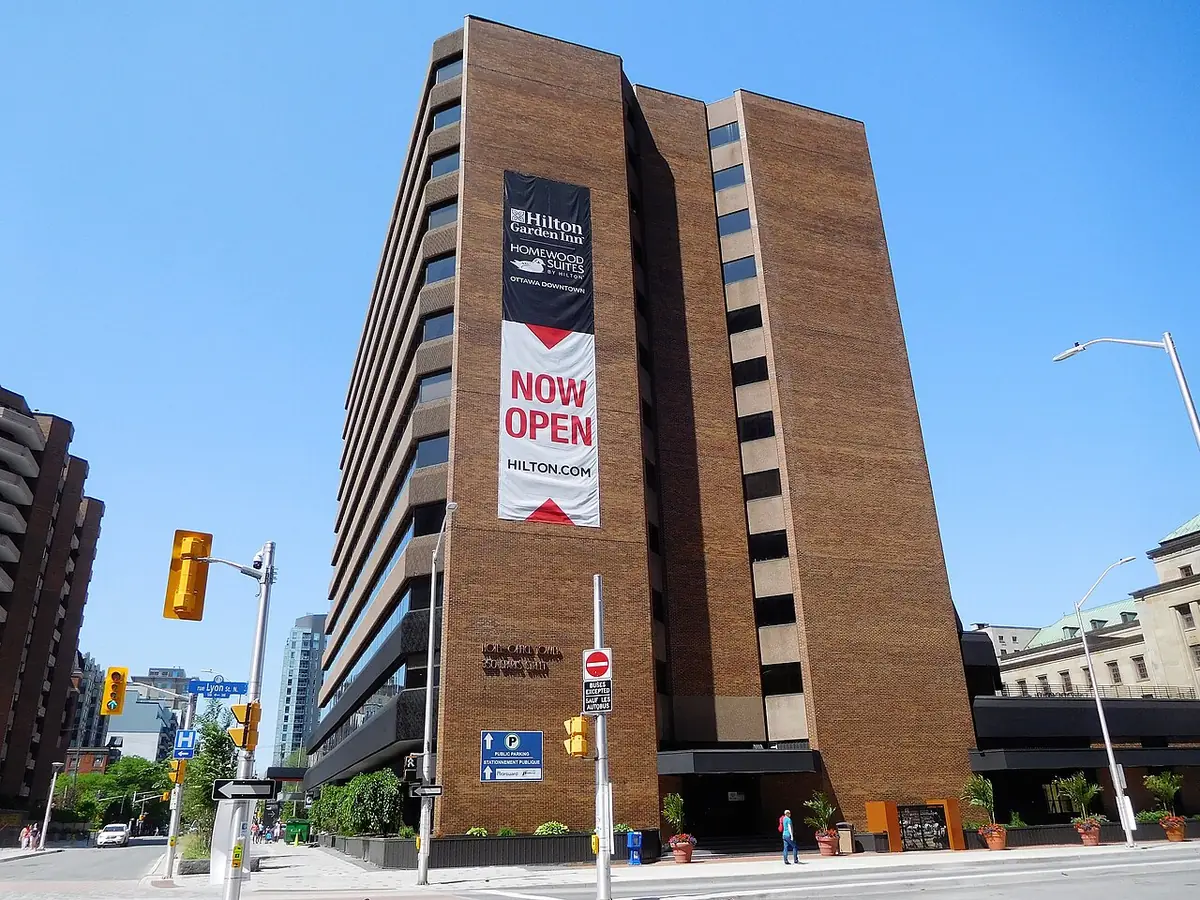 Working in a bilingual workplace
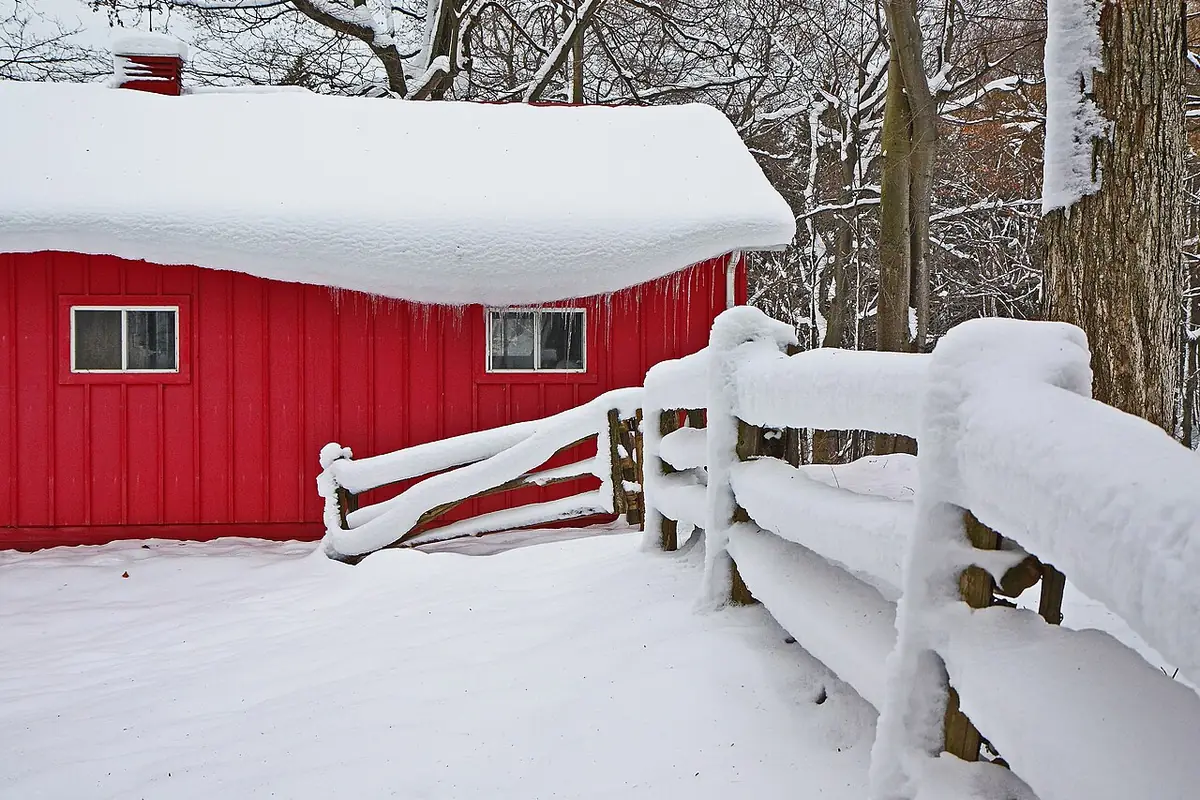 Culture shock and winter
 Settlement services in French
