
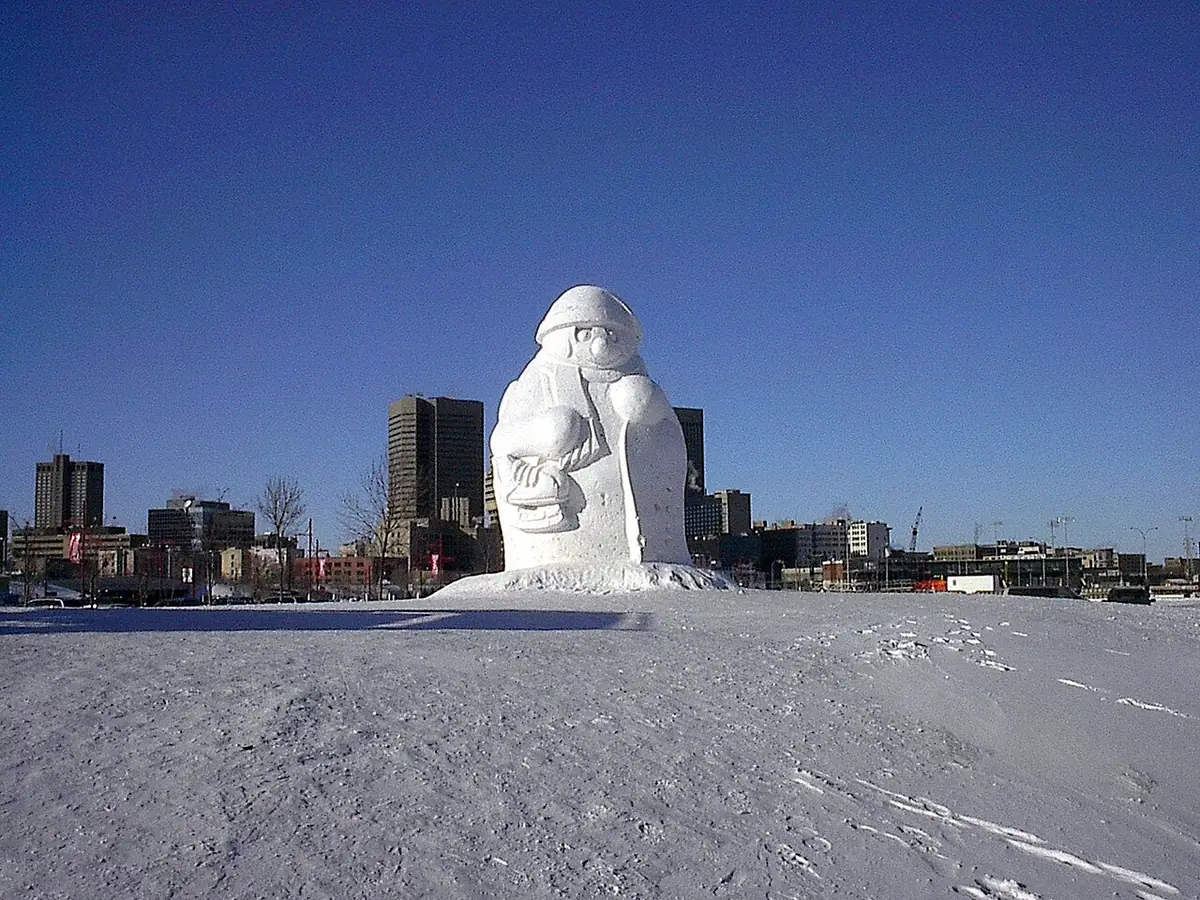
Climate is one of the biggest changes for Vietnamese newcomers to Canada. This article summarizes the general picture from IRCC and the differences between regions outside Quebec.
The general picture
- Canada has 4 seasons: winter, spring, summer and fall.
- Winter is very cold in most places, often below 0°C; snow covers the ground from about December to March or April.
- Summer runs from about June to September, with daytime temperatures usually 20 to 30°C or higher; southern Ontario is often very humid.
- Spring and fall are transition seasons with a lot of rain.
By region
| Region | Main features |
|---|---|
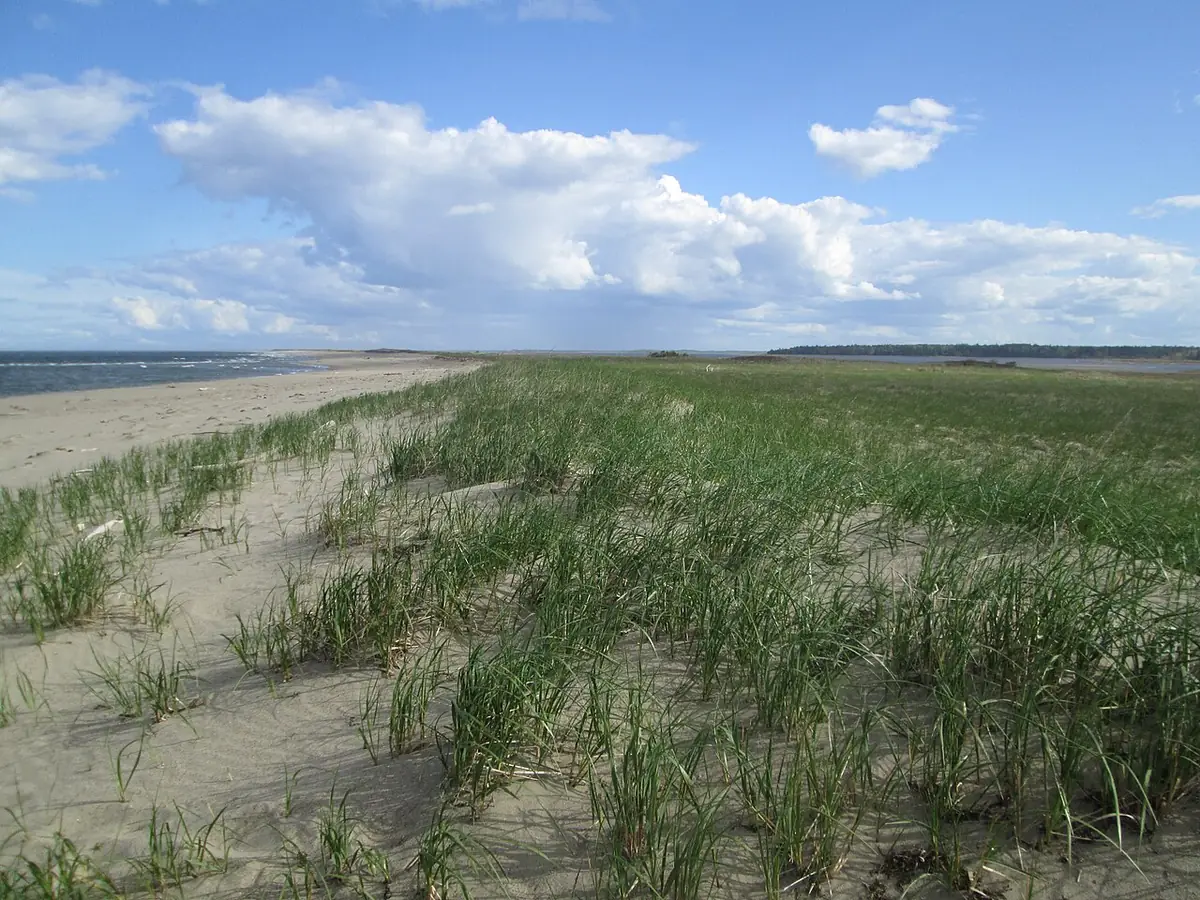
| Atlantic (New Brunswick, Nova Scotia, PEI, Newfoundland and Labrador) | Ocean influence: lots of rain, snow and wind; long winters, summers cooler than inland |
| Ontario | South: hot, humid summers and cold, snowy winters. North (Sudbury, Timmins): noticeably longer, colder winters |
| Prairies (Manitoba, Saskatchewan, Alberta) | Continental climate: very cold, dry winters; warm, sunny summers |
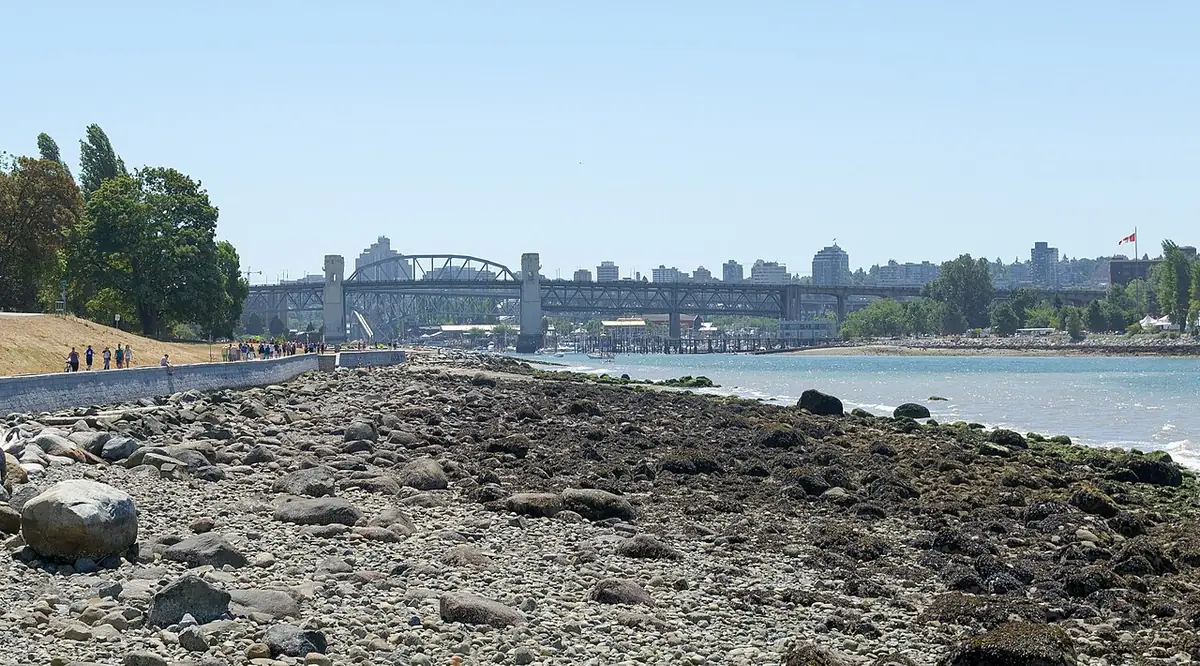
| British Columbia | Southwest (Vancouver, Victoria): mild winters with more rain than snow. Interior and north much colder |
| The three northern territories | Very long, harsh winters and sparse population |
Preparing for your first winter
IRCC advises newcomers to get a hat, boots, gloves and a winter coat. Buying them in Canada means they suit the local climate; also prepare for short, dark days.
Looking up the data
Environment and Climate Change Canada publishes the Canadian Climate Normals: long-term average temperature, rainfall and snowfall for each weather station. Use this source to compare specific cities.
Note In many small Francophone communities, getting around in winter depends on having a car. Factor in the car, winter tires and a driver's licence when planning.

 The 12 provinces and territories outside Quebec
 Bilingual New Brunswick
 Manitoba and St-Boniface
