Ontario has the largest French-speaking community outside Quebec by number of people, even though it is a small share of the province's population.
Language figures (2021 Census)
- 533,560 people have French as their first official language spoken, 3.8% of the population.
- 10.8% of the population, over 1.5 million people, is English–French bilingual.

The six Francophone communities IRCC selected
| Community | Region | Highlights according to IRCC |
|---|---|---|
| Sudbury | Northern Ontario | The largest French-speaking city in Northern Ontario; over 150 organizations, three quarters of them Francophone |
| Northern Corridor | Northern Ontario | Along Highway 11 from Hearst to Matheson, including Timmins |
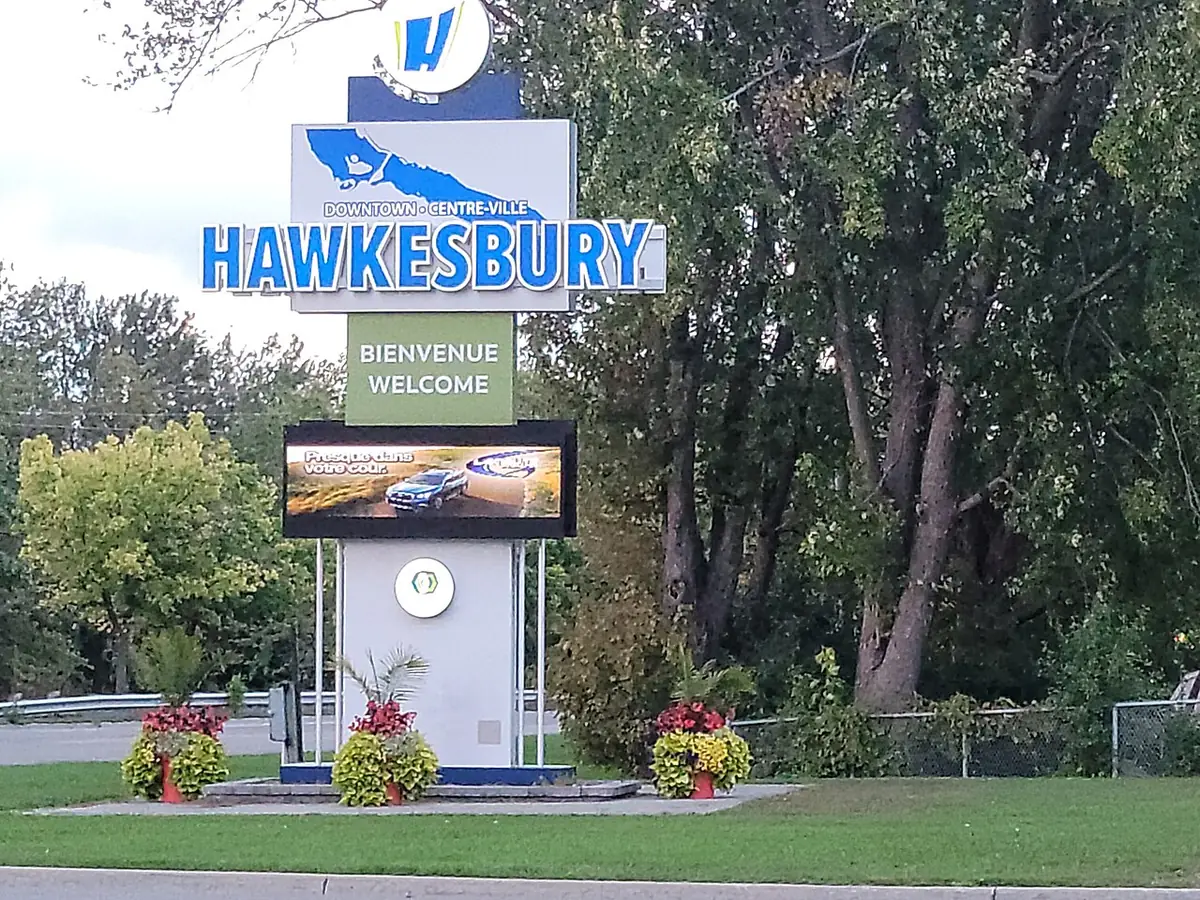
| Hawkesbury | Eastern Ontario | A city with a French-speaking majority and many services in French |
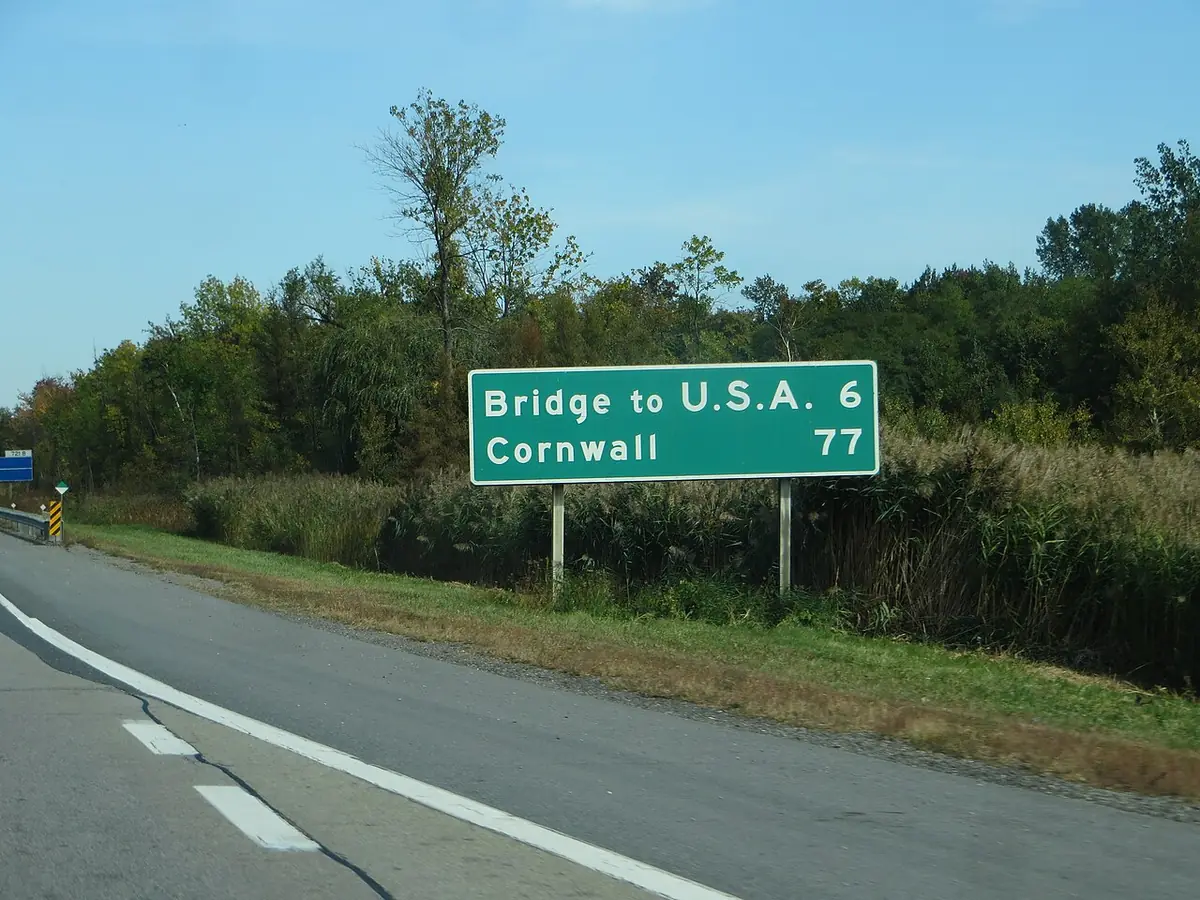
| Cornwall | Eastern Ontario | On the St. Lawrence River, close to Montreal, Ottawa and the US border |
| Hamilton | Southwest Central Ontario | A multicultural Francophone community with many French-language services |
| London | Southwestern Ontario | About 200 km from Toronto, with an active Francophone community |
Sudbury, Timmins and the Superior East region are also 3 of the 6 communities in the FCIP permanent residence pilot.
Ontario's nominee program today
According to Ontario's official page (checked 19/10/2026), the OINP has launched the new Ontario Workforce Priority stream and closed all other streams; the province says more changes are coming. Anyone planning around an older stream should check again.
Things to weigh when choosing Ontario
- In large cities, French is an advantage but daily work is mostly in English.
- In Hawkesbury, Sudbury and the Northern Corridor, French is more present in daily life, but the job market is smaller.
Note Housing costs differ hugely between the Toronto area and northern cities. Read the cost of living article before choosing where to live.

 The 12 provinces and territories outside Quebec
 Bilingual New Brunswick
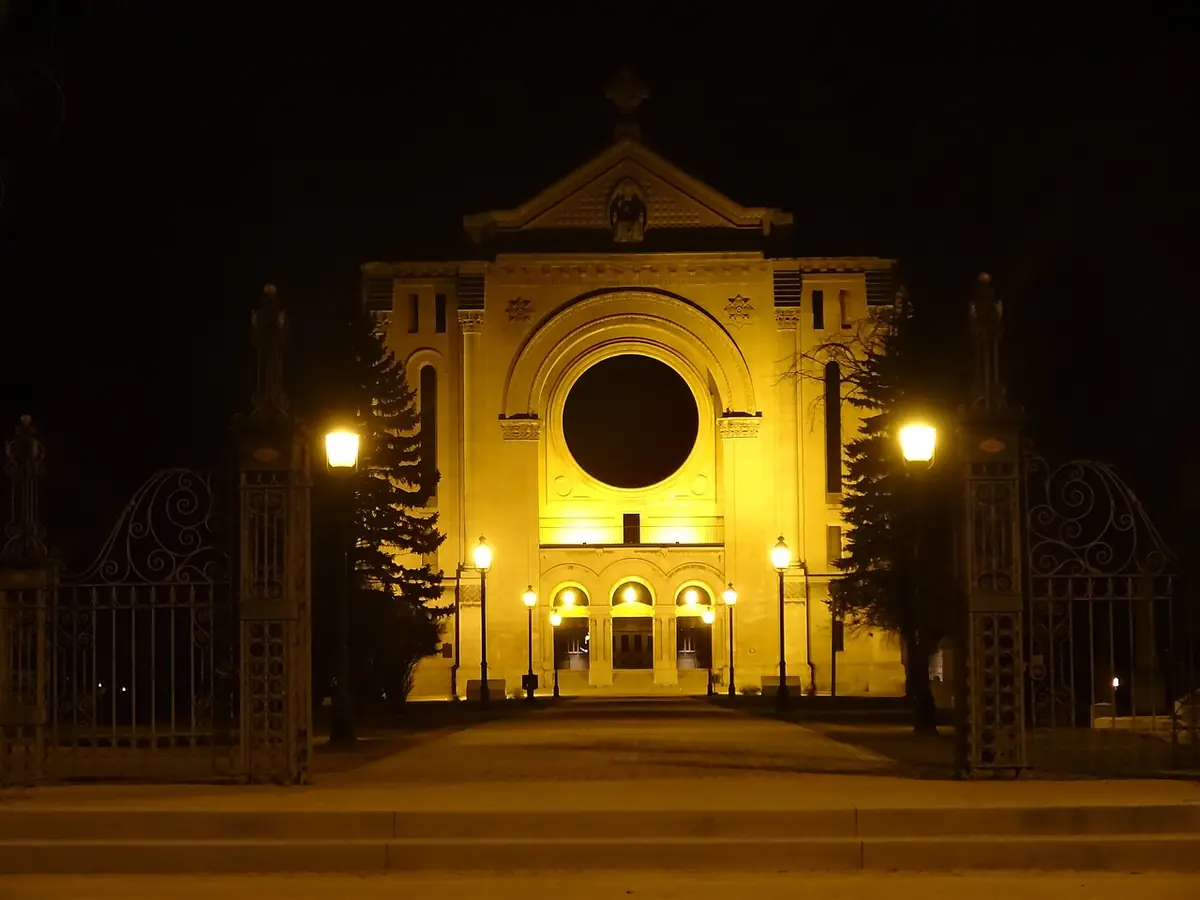 Manitoba and St-Boniface
